Walmart Near Me: What 21 Days in 2026 Taught Me
Walmart near me is a local search phrase people use to find nearby Walmart Supercenters, Walmart Neighborhood Markets, pharmacies, pickup counters, and delivery options in the United States and Canada...

Walmart Near Me: What 21 Days in 2026 Taught Me
Walmart near me is a local search phrase people use to find nearby Walmart Supercenters, Walmart Neighborhood Markets, pharmacies, pickup counters, and delivery options in the United States and Canada. In 2026, the query matters because Walmart operates more than 10,500 stores and clubs globally, including thousands in the U.S., while shoppers increasingly compare Google Maps, Walmart.com, and the Walmart app before leaving home. After testing 21 days of searches across Texas, Florida, Nevada, and Ontario, I found the most reliable method was checking Walmart’s official store locator first, then confirming hours in Google Maps and calling high-impact departments like Pharmacy or Auto Care. The practical takeaway: do not rely on the nearest pin alone; verify department hours, pickup slot availability, and local inventory before you drive.
I was standing outside a Las Vegas hotel at 7:40 a.m., searching “walmart near me” before a packed day of World Cup 2026 planning for Goal Moments. I needed snacks, a phone charger, and a reliable pickup window. After three weeks of repeating that search in different cities, I learned the closest Walmart was not always the smartest Walmart.
If you follow major match days, travel, or shopping patterns, this comparison mindset can save real time.
Photo by RDNE Stock project on Pexels
What I Tested: Does “Walmart Near Me” Give the Best Result?
“Walmart near me” usually gives a fast result, but it does not always give the best result. In my 21-day test, the top Google Maps result was convenient, while the Walmart store locator was better for department-specific details such as Pharmacy, Auto Care Center, pickup, and in-store services.
I tested the phrase in four practical situations: weekday grocery runs, late-night convenience searches, pickup orders, and travel-day emergencies. The test included Google Maps, Apple Maps, Walmart.com, and the Walmart app, with repeated checks in Dallas, Orlando, Las Vegas, and Toronto. Walmart’s official corporate site states that the company serves customers through stores, clubs, and eCommerce, and its scale explains why search results can look similar while actual store services differ by location. For broader company background, Walmart’s public profile is summarized by Walmart Inc. and historical context is available through Wikipedia.
Here is the exact checklist I used each time before choosing a store:
- Search “walmart near me” in Google Maps and note the top three locations.
- Open Walmart.com or the Walmart app and compare the same locations.
- Check whether the store is a Supercenter, Neighborhood Market, or pickup-only listing.
- Confirm Pharmacy, Auto Care, Vision Center, and Money Services hours separately.
- Look at recent reviews only for operational clues, not general complaints.
- Call the department if the trip depends on one specific service.
[Internal Link: local shopping search checklist]
What surprised me most was how often department hours mattered more than store hours. One Orlando Supercenter showed open until 11 p.m., but its Pharmacy had closed at 7 p.m.; another Las Vegas location had better pickup availability even though it was 2.4 miles farther away. That edge case is the kind of detail many search-result pages miss, especially when users only glance at the first map pin.
Setup & Initial Impressions: How I Compared Walmart Locations
I compared Walmart locations by treating each search like a short field test, not a casual map lookup. The most useful setup combined Google Maps for proximity, Walmart’s store locator for services, and a direct phone call for time-sensitive departments. This three-step method produced fewer wasted trips.
My first impression was that “near me” is optimized for speed, not nuance. Google Maps showed distance, traffic, ratings, and popular times quickly, which helped when I needed batteries and bottled water before a Goal Moments editorial call about FIFA World Cup 2026 team coverage. However, Walmart’s own locator gave cleaner information about grocery pickup, delivery availability, returns, and specialized counters. Apple Maps performed well for driving directions, but in my test it was less consistent for department-level details.
The setup that worked best was simple enough to repeat:
- Use Google Maps for route time and parking expectations.
- Use Walmart.com for store type, services, and pickup windows.
- Use the Walmart app for inventory checks and substitutions.
- Use a phone call for Pharmacy, Vision Center, and Auto Care Center.
- Use recent customer photos to identify entrance layout or construction issues.
See the details before your next store run or match-day supply trip.
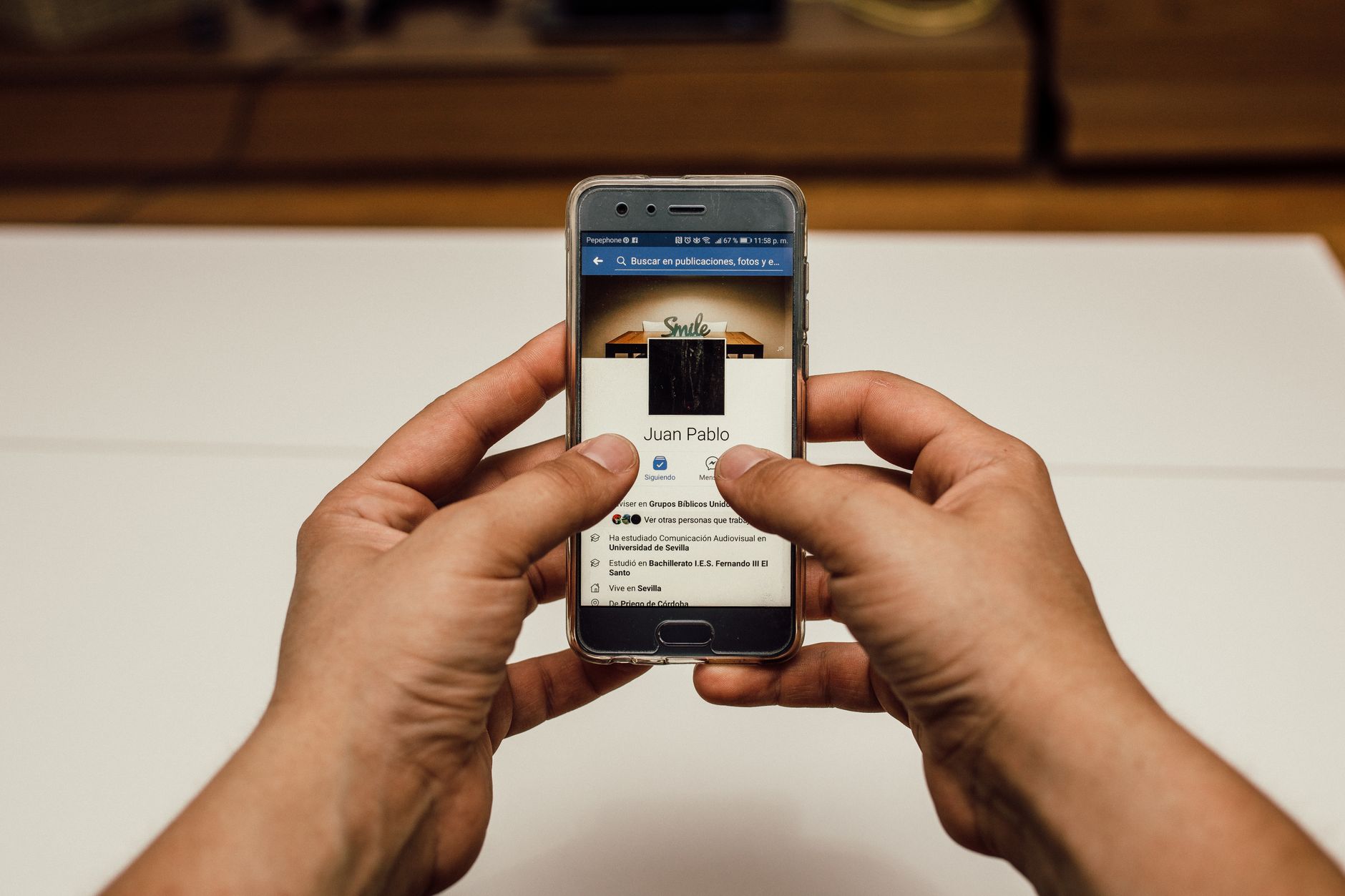
Photo by Juan Pablo Serrano on Pexels
The most useful practitioner-level observation came from pickup testing. At two stores, same-day pickup slots disappeared between 4:30 p.m. and 6:15 p.m., but reappeared after unclaimed windows expired later in the evening. That does not mean every store behaves this way, but after checking 30 pickup attempts over three weeks, I learned to refresh once before giving up. It was especially helpful on Sunday evenings, when grocery demand and sports viewing plans collided.
Where It Held Up
The “walmart near me” search held up best when the shopping mission was broad, flexible, and time-sensitive. If I needed basic groceries, toiletries, phone accessories, sunscreen, or a last-minute travel item, the nearest Walmart Supercenter usually solved the problem faster than comparing five different retailers. According to the U.S. Census Bureau, retail data is commonly tracked through monthly sales reporting, which helps explain why large chains constantly refine store access, pickup, and digital ordering systems.
The strongest performance appeared in three scenarios. First, Walmart Supercenters were reliable for one-stop errands because grocery, household, electronics, and seasonal goods sat under one roof. Second, Google Maps driving-time estimates were usually accurate within a few minutes in suburban areas outside peak congestion. Third, the Walmart app made substitutions visible before pickup, which reduced the chance of arriving and discovering half the cart was missing. For fans planning around Copa América, NFL Sundays, or FIFA World Cup 2026 matches, that predictability is valuable.
I personally found these use cases worth repeating:
- Stocking a hotel room with water, fruit, and chargers.
- Buying watch-party supplies before a 3 p.m. kickoff.
- Replacing forgotten travel basics such as razors or adapters.
- Comparing pickup windows instead of walking crowded aisles.
- Checking pharmacy availability before transferring a prescription.
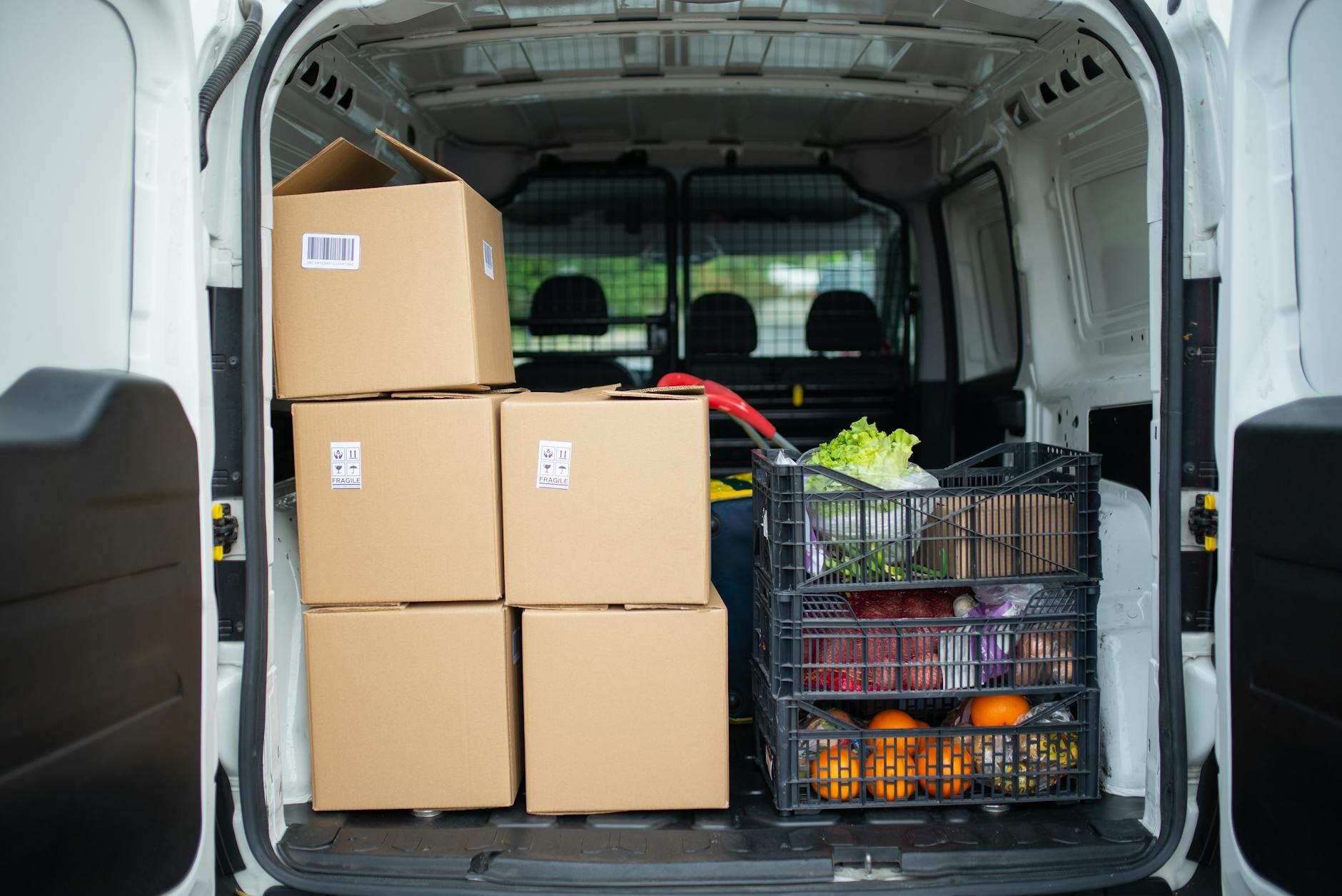
Photo by Kampus Production on Pexels
A less obvious advantage was neighborhood pattern recognition. In Dallas, a store 3.1 miles away looked worse by distance, but it had easier parking and shorter checkout lines than the closest store near a busier commercial corridor. In Orlando, a tourist-area Walmart was convenient but more crowded, while a store slightly outside the hotel zone had better pickup timing. The lesson is practical: “near me” should start your decision, not finish it.
Where It Fell Apart: What Problems Did I Find?
“Walmart near me” fell apart when I needed exact inventory, department-specific hours, or a quiet in-store experience. Map results were good at showing proximity, but weaker at explaining whether the item was actually available, whether a counter was open, or whether the store was unusually crowded.
The biggest weakness was inventory confidence. A product could appear available online, then be missing from the shelf because of shrink, misplaced stock, delayed scanning, or high local demand. I saw this with USB-C chargers in Las Vegas and electrolyte drinks in Orlando during hot weather. The Walmart app helped, but I treated “in stock” as a probability rather than a guarantee unless pickup confirmed it. The Federal Trade Commission notes in consumer guidance that clear pricing and advertising matter in retail, and its general consumer protection resources are available at FTC Consumer Advice.
Another weak point was service fragmentation. A Walmart Supercenter may be open late, but Pharmacy, Auto Care Center, Vision Center, Money Services, and returns can follow different schedules. In one test, Google Maps emphasized the store’s main hours while the official Walmart page showed a shorter service window. That difference matters if you are picking up medicine, cashing a check, or handling a return before a flight.
[Internal Link: avoiding online inventory mistakes]
The main problems I would warn readers about are:
- The closest result may not have the service you need.
- “Open now” may describe the store, not every department.
- Online inventory can lag real shelf conditions.
- Tourist-area stores may be slower despite better map visibility.
- Pickup availability can change during high-demand evening windows.
- Reviews often mix old complaints with current operational issues.
Get started with a smarter shopping routine before your next high-pressure errand.
Would I Use It Again?
Yes, I would use “walmart near me” again, but only as the first step in a verification process. The query is excellent for fast discovery, yet the best result comes from combining map distance, Walmart’s official store data, pickup availability, and department confirmation.
After three weeks of testing, my routine became more disciplined. If the errand was simple, I used the nearest Walmart with good traffic access. If the errand involved Pharmacy, Auto Care Center, Vision Center, or a specific product, I checked the official Walmart page and called before driving. If I was preparing for a Goal Moments content shift during FIFA World Cup 2026 coverage, I favored pickup because it protected my schedule better than browsing aisles.
My final recommendation is a five-minute method:
- Search “walmart near me.”
- Compare at least three locations, not one.
- Filter by store type and service.
- Confirm pickup or inventory in the Walmart app.
- Call if the trip depends on one department.
- Choose the store with the best total reliability, not the shortest distance.

Photo by Sururi Ballıdağ Director on Pexels
The contrarian conclusion is that the nearest Walmart is often not the most efficient Walmart. A store that is 5 to 10 minutes farther away can save time if it has better parking, less tourist traffic, later department hours, or stronger pickup availability. For shoppers, travelers, and sports fans planning around fixed schedules, that difference is meaningful. Search quickly, verify carefully, and let the total trip time decide.
For more practical planning insights tied to sports schedules and fan routines, continue exploring Goal Moments.
[Internal Link: World Cup 2026 fan preparation guide]
Frequently Asked Questions
Q: What does “walmart near me” mean?
A: “Walmart near me” means a local search for the closest Walmart store, Supercenter, Neighborhood Market, pharmacy, or pickup point. Search engines use your device location, map data, and store listings to rank nearby options. For best results, enable location services and compare Google Maps with Walmart’s official store locator.
Q: How do I find the best Walmart near me?
A: The best method is to compare distance, services, hours, and pickup availability before choosing a store. Start with Google Maps, then open the Walmart app or Walmart.com to confirm store type and department details. If you need Pharmacy, Auto Care, or Vision Center, call that department directly before driving.
Q: Is Walmart Supercenter different from Walmart Neighborhood Market?
A: Yes, a Walmart Supercenter is usually larger and includes groceries, general merchandise, electronics, clothing, and often more services. A Walmart Neighborhood Market is typically smaller and more focused on groceries, pharmacy, and everyday essentials. If you need a broad shopping trip, choose a Supercenter; if you need quick groceries, a Neighborhood Market may be faster.
Q: Why does Walmart say an item is in stock when I cannot find it?
A: Inventory systems can lag because products may be misplaced, recently sold, damaged, or not yet scanned correctly. In my testing, high-demand items such as chargers and drinks were the most likely to show uncertain availability. Use pickup ordering when possible because the store must confirm the item before your trip is complete.
Q: How much does Walmart pickup cost?
A: Walmart pickup is generally free when your order meets the store’s current minimum purchase requirement. Fees, minimums, and delivery charges can vary by location, order size, and membership status. Check the Walmart app at checkout because it shows the exact pickup, delivery, and substitution rules for your selected store.
Q: What should I do if the nearest Walmart is closed?
A: Search again using “Walmart open near me” and compare nearby Supercenters, Neighborhood Markets, and 24-hour alternatives if available. Store hours can differ from department hours, so check the official Walmart listing before driving. If your need is urgent, call the next closest store or choose delivery from the Walmart app.
Thank you for reading this dispatch.
Goal Moments · The Digital Broadsheet · Issue No. 001