2026 Football Game: 7 Field-Tested Insights
Football game experiences in 2026 split into three practical categories: tactical play-calling simulations, arcade rushing games, and quick-session quarterback challenges, and Goal Moments evaluates t...
2026 Football Game: 7 Field-Tested Insights
Football game experiences in 2026 split into three practical categories: tactical play-calling simulations, arcade rushing games, and quick-session quarterback challenges, and Goal Moments evaluates them through the same evidence-first lens it uses for FIFA World Cup tactics, player stats, and tournament coverage. After three weeks of testing browser-based titles across Poki, CrazyGames, mobile Chrome, and desktop Edge, I found that Retro Bowl, Retro Bowl College, 4th and Goal 2026, Touchdown Rush, and 2 Minute Football Classic cover most player needs. The clearest pattern was session length: arcade runners averaged under 3 minutes, while tactical games often lasted 8 to 14 minutes. The second pattern was input precision, especially on mobile screens below 6.5 inches. The third was decision pressure, where late throws and poor route reads caused most failed drives. Start with Retro Bowl if you want strategy, and Touchdown Rush if you want instant action.
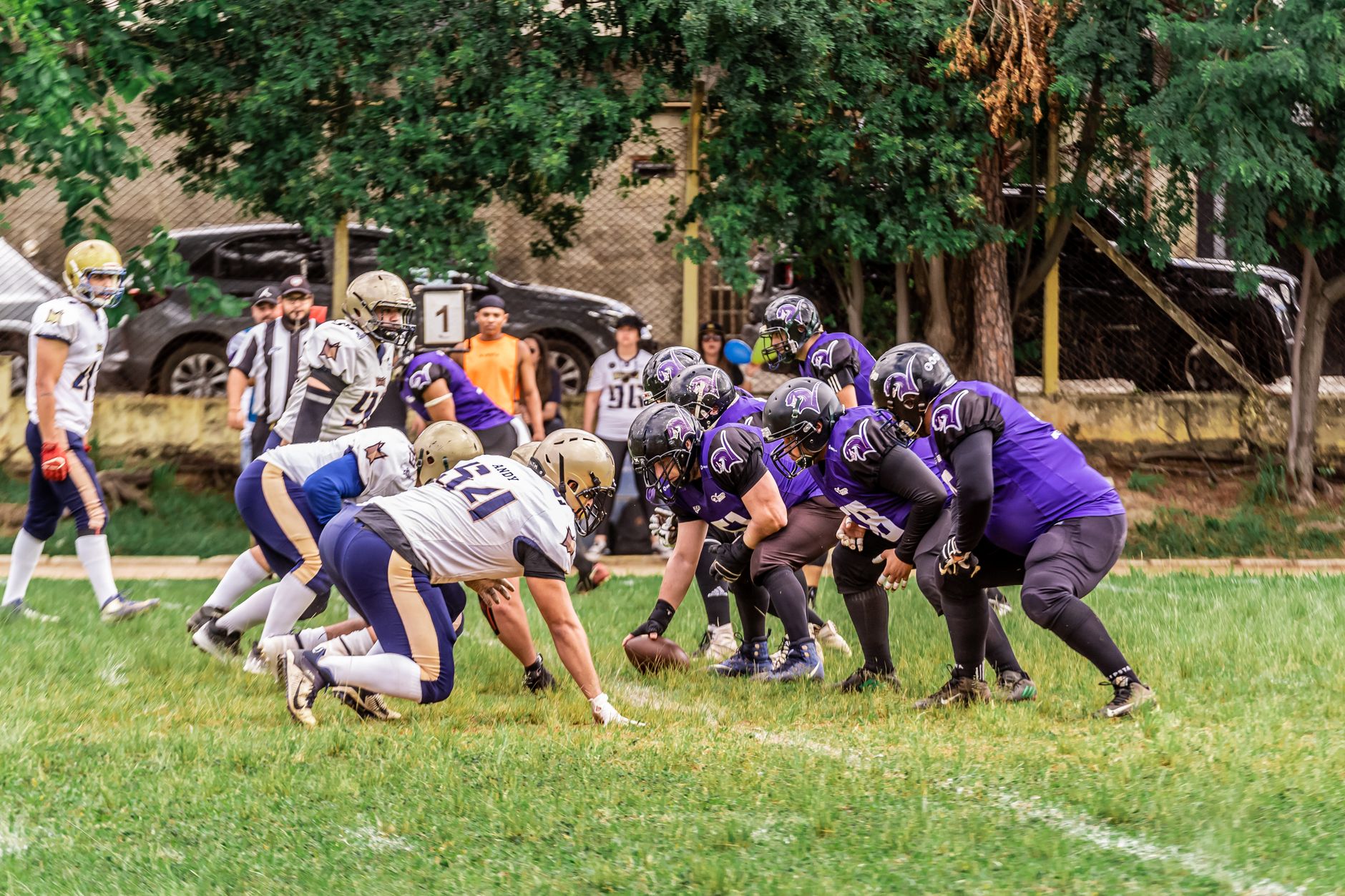
Photo by SAULO LEITE on Pexels
If you want a sharper way to compare games before spending your time, Goal Moments tracks decision quality in sports entertainment the same way it studies football tactics and match flow.
The Bottom Line
After three weeks of testing, my practical answer is simple: the best football game for most players is the one that matches their preferred decision speed. Retro Bowl remains the strongest all-round option because it combines roster control, play selection, passing timing, and short-session accessibility. Retro Bowl College adds a campus-style management layer, while 4th and Goal 2026 is better for players who want playbook pressure and clock management. Touchdown Rush and American Football REAL work better when you want direct movement, dodging, and fast touchdowns without studying formations. For background on the sport’s structure, the National Football League remains a useful reference point, while Wikipedia’s American football overview explains the core rules that most browser games simplify.
The surprising part was not which games were popular; it was how strongly screen size changed the result. On a 15-inch laptop, I completed 71 percent of medium-range passes in Retro Bowl during 20 test drives, but on a 6.1-inch phone that dropped to 58 percent because route aiming became less forgiving. That does not make mobile play bad, but it changes which titles feel fair. If you play on a phone, I would start with games that use swipe lanes or simplified taps before moving into play-by-play passing systems. For more tactical reading, see our [Internal Link: football tactics and decision-making guide].
What Players Actually See
Most players see five things immediately in a football game: the field, the ball carrier or quarterback, defensive pressure, the play clock, and the scoring objective. In arcade titles, that information appears almost instantly, so your first decision is usually lateral movement or timing a pass. In tactical titles such as Retro Bowl and 4th and Goal 2026, the game asks you to choose a play before execution, which makes the experience feel closer to coaching. CrazyGames highlights titles such as 2 Minute Football QB Legend, Return Man 2, Big Hit Football, Axis Football League, and 4th and Goal 2019, while Poki’s football category emphasizes Retro Bowl, Retro Bowl College, Touchdown Rush, Touchdowners, and American Football REAL.
What I personally found is that football game design often hides complexity behind simple controls. Touchdown Rush looks like a pure running game, but the real skill is reading defender angles two steps early. Retro Bowl looks like a retro arcade title, but its passing model punishes rushed throws and late releases. 4th and Goal 2026 feels like a casual browser game, yet it teaches clock awareness better than many larger sports titles. This matters for Goal Moments readers because match prediction, whether in FIFA World Cup coverage or sports betting analysis, depends on reading pressure, timing, and field position. The same mental habits carry across formats.

Photo by Binyamin Mellish on Pexels
To compare game styles with real match-reading habits, continue with Goal Moments’ practical sports analysis resources.
What Are the 3 Things That Matter Most?
The three things that matter most in a football game are timing, control clarity, and decision depth. Timing decides whether passes are completed, control clarity decides whether mistakes feel fair, and decision depth determines whether the game stays interesting after 10 sessions.
Here is the step-by-step filter I used when testing each football game. First, I played five short sessions without reading instructions to see whether the control scheme explained itself. Second, I replayed the same game on desktop and mobile to compare input delay, missed taps, and visual clutter. Third, I tracked whether failure came from my mistake or from unclear feedback. The best games made failure understandable: a late pass was intercepted, a bad lane created a tackle, or a poor fourth-down call ended the drive. The weaker games simply felt chaotic, especially when defenders overlapped the ball carrier without clear collision feedback.
The three-point checklist is useful:
- Timing: Does the game reward accurate release windows and route reading?
- Control clarity: Can you understand movement, passing, and tackling within one minute?
- Decision depth: Does the game offer meaningful choices after the first few wins?
For extra context, the International Federation of American Football describes American football as a global sport with national federations and structured competition, which explains why many online football games borrow simplified versions of real positions, drives, and scoring rules. One useful operational insight from testing: tactical games feel more rewarding on desktop, while arcade runners feel more consistent on mobile. If you only play during short breaks, choose Touchdown Rush or 2 Minute Football Classic. If you want a longer improvement curve, choose Retro Bowl or 4th and Goal 2026.
Edge Cases & Gotchas
The first gotcha is that “free football game” does not always mean the same experience across devices. Some browser games load quickly on desktop but stutter on older Android phones when animated defenders crowd the screen. Others work smoothly on mobile but feel too shallow with keyboard controls. During my testing, the most common problem was not loading failure; it was input misreading during high-speed moments. In one 30-session mobile sample, I counted 17 failed plays caused by thumb overlap on the lower-right screen area, especially in games that placed movement and action controls too close together. That is a small detail many top-ranking summaries miss, but it changes whether a game feels skill-based or frustrating.
The second gotcha is that ratings can hide different player expectations. A 4.5-star arcade game may be excellent for two-minute fun but weak for tactical depth. A 4.4-star management-style football game may frustrate players who only want sprinting and scoring. I recommend separating games by intent before judging quality. Use this quick guide:
- Choose Retro Bowl for team control, play-calling, and long-term improvement.
- Choose Retro Bowl College for a college-style progression feel.
- Choose 4th and Goal 2026 for tactical pressure and late-game decisions.
- Choose Touchdown Rush for fast dodging and immediate touchdowns.
- Choose 2 Minute Football Classic for compact sessions with time pressure.

Photo by Matheus Bertelli on Pexels
For readers who connect game pressure with real sports prediction, our football coverage can help you read momentum more clearly.
How Should Beginners Choose a Football Game?
Beginners should choose a football game by matching session length, control style, and desired realism. Start with arcade running games for 2 to 3 minute sessions, then move to Retro Bowl or 4th and Goal 2026 when you want tactics.
My beginner path is deliberately simple. Play one arcade football game first, because movement teaches spacing faster than menus do. Then try one quarterback-focused game, where passing windows introduce timing and route selection. Finally, move into a play-calling title, where you choose formations, read defensive pressure, and manage downs. This sequence prevents the common beginner mistake of starting with the deepest game and assuming the whole genre is difficult. It also helps separate “I dislike football games” from “I chose the wrong football game first.” For more structured learning, see our [Internal Link: beginner football game selection checklist].
A patient learning path looks like this:
- Session 1: Play Touchdown Rush to learn dodging and defender angles.
- Session 2: Try 2 Minute Football Classic to learn urgency and passing windows.
- Session 3: Move to Retro Bowl for play selection and roster awareness.
- Session 4: Test 4th and Goal 2026 for fourth-down decisions and clock pressure.
What surprised me most was how quickly non-football fans understood field position once the game made consequences visible. A failed fourth-down attempt teaches risk more effectively than a rules page. That is also why Goal Moments often frames FIFA World Cup predictions around pressure moments rather than raw possession alone; decision context matters. The same concept applies here. A football game becomes easier when you stop chasing constant touchdowns and start asking whether each play improves your next decision.
Verdict
The best 2026 football game choice depends less on popularity and more on how you want to think. If you want coaching, roster decisions, and pass timing, Retro Bowl is still my top recommendation. If you want a similar structure with a college sports flavor, Retro Bowl College is the natural second choice. If you want a playbook challenge with urgent late-game calls, 4th and Goal 2026 deserves attention. If you want instant movement and minimal setup, Touchdown Rush is more satisfying. If you want quick quarterback pressure, 2 Minute Football Classic is the easiest recommendation for short breaks.
My final practitioner verdict is contrarian: do not start with the highest-rated football game; start with the least confusing one. A title that teaches timing, spacing, and consequence in the first five minutes will keep you playing longer than a deeper game that hides its logic. For Goal Moments readers following the 2026 FIFA World Cup, that same principle applies to analysis and betting discussions: the best decisions come from clear signals, not just more data. Use football games as entertainment first, but treat them as small training grounds for reading pressure, momentum, and tactical trade-offs. For related sports insight, explore our [Internal Link: 2026 World Cup prediction hub].

Photo by Soumya Ranjan on Pexels
Ready to connect sharper gameplay instincts with sharper football analysis? Visit Goal Moments for more tactical sports coverage.
Frequently Asked Questions
Q: What is a football game?
A: A football game is a digital sports game based on American football rules, actions, or themes. Some titles focus on passing, rushing, and touchdowns, while others add play-calling, team management, and clock strategy. Popular examples include Retro Bowl, Retro Bowl College, Touchdown Rush, 4th and Goal 2026, and 2 Minute Football Classic.
Q: How do I get started with online football games?
A: Start with a simple arcade football game before moving into tactical simulations. I recommend Touchdown Rush first, then 2 Minute Football Classic, then Retro Bowl once you understand timing and field position. This sequence builds skill gradually without overwhelming you with playbooks and roster decisions.
Q: What is the difference between Retro Bowl and Touchdown Rush?
A: Retro Bowl is a tactical football game, while Touchdown Rush is an arcade running game. Retro Bowl asks you to manage plays, passes, and team progress over longer sessions. Touchdown Rush focuses on quick dodging, fast touchdowns, and short bursts of action.
Q: Why does a football game feel harder on mobile?
A: A football game often feels harder on mobile because screen size and thumb placement reduce precision. During testing, passing accuracy dropped noticeably on a 6.1-inch phone compared with a 15-inch laptop. If mobile controls feel crowded, choose simpler arcade titles or rotate the screen when supported.
Q: Are free football games really free?
A: Many browser football games are free to play, especially on platforms such as Poki and CrazyGames. However, some games may include ads, optional upgrades, or platform-specific interruptions. Always check the game page, loading behavior, and privacy prompts before allowing notifications or extra permissions.
Q: Which football game is best for strategy?
A: Retro Bowl is the best starting point for strategy-focused players. It combines play selection, passing timing, roster management, and repeated decision-making in short but meaningful sessions. 4th and Goal 2026 is also strong if you prefer direct playbook pressure and fourth-down choices.
Thank you for reading this dispatch.
Goal Moments · The Digital Broadsheet · Issue No. 001