2026 World Cup: What 3 Weeks Taught Me
Goal Moments is tracking the 2026 World Cup as a specialist football content site for fans who follow match predictions, team tactics, player statistics, and tournament coverage across North America.....

2026 World Cup: What 3 Weeks Taught Me
Goal Moments is tracking the 2026 World Cup as a specialist football content site for fans who follow match predictions, team tactics, player statistics, and tournament coverage across North America. The tournament will be staged in the United States, Canada, and Mexico from June 11 to July 19, 2026, with Kansas City serving as one of the U.S. host cities and Kansas City Stadium hosting official matches. After three weeks of testing travel routes, fan information flows, and match-day planning habits, I found that the biggest advantage is not simply knowing the fixtures; it is understanding how airport transfers, Fan Festival access, team form, and betting discipline connect before kickoff. FIFA, Kansas City, and local transport programs such as ConnectKC26 are shaping a more distributed fan experience. My recommendation is simple: plan movement, content research, and bankroll rules before the group stage begins.
Want a smarter way to follow the tournament from fixtures to tactics?
Photo by Gera Cejas on Pexels
Before 2025: how 2026 World Cup travel worked?
Before 2025, most 2026 World Cup planning focused on host city selection, stadium names, and broad tourism messaging rather than practical match-day movement. Fans could identify Kansas City, Dallas, New York New Jersey, Toronto, and Mexico City, but reliable route-level planning was still limited for ordinary travelers.
What surprised me during my review was how much early fan behavior depended on old World Cup habits. Many supporters planned as if one hotel, one stadium shuttle, and one downtown gathering point would solve everything. That approach worked better for smaller tournament footprints, but the 2026 World Cup is spread across three countries, 16 host cities, and multiple regional transport systems. Kansas City is a useful case study because the city promotes both Kansas City International Airport access and direct match-day movement to Kansas City Stadium through ConnectKC26-style planning. According to FIFA, the 2026 edition expands the tournament to 48 teams, which means more matches, more traveling fan groups, and more pressure on local mobility. For bettors and analysts using Goal Moments, this matters because poor travel planning can affect lineup assumptions, crowd energy, and even how late-breaking team news is consumed.
Before 2025, I also saw many fans separate football research from city logistics. They would read about Argentina, France, Brazil, England, or the United States, then handle transport later as a secondary task. After testing this workflow, I found it backwards. The better routine is to map the likely match window, travel time, Fan Festival schedule, and content-checking time together. For example, if a supporter lands at Kansas City International Airport on a match morning, the key question is not only whether the team uses a 4-3-3 or 3-5-2; it is whether that person has enough time to clear baggage, reach accommodation, follow verified lineup news, and arrive at Kansas City Stadium without rushing. For deeper tournament preparation, see our [Internal Link: 2026 World Cup match prediction guide].
The 2026 shift
The 2026 shift is that the World Cup is no longer just a stadium event; it is a connected city, transport, media, and data experience. Kansas City shows this clearly through official fan routes, FIFA Fan Festival planning, regional tourism messaging, and match-day services.
The operational change I personally found most important is the rise of the “fan corridor.” In Kansas City, the corridor links Kansas City International Airport, Kansas City Stadium, regional destinations, and the FIFA Fan Festival Kansas City. That may sound like tourism language, but it has practical consequences. Fans who pre-book transport, identify food areas, and save official event pages are less likely to miss kickoff or rely on unverified social media updates. The official Kansas City host information positions the city as the “Heart of America,” but the more useful takeaway is that fans should treat every host city as a temporary event network. The U.S. Department of State is also worth monitoring for international travel requirements, because entry rules and passport timelines can affect supporters long before match week.

Photo by Taylor Hunt on Pexels
Here is the tutorial workflow I used after three weeks of testing:
- Save the official FIFA match schedule and host city page.
- Identify the airport-to-hotel and hotel-to-stadium routes.
- Check whether Fan Festival access changes your movement plan.
- Set two lineup-check windows: one the night before and one 90 minutes before kickoff.
- If betting legally, set a fixed stake limit before reading odds movement.
This five-step process worked better than my earlier habit of checking fixtures first and logistics later. It also reduced noisy decision-making, especially when multiple matches were close together. For Goal Moments readers, the lesson is practical: good tournament coverage begins before the referee’s whistle. To compare tactical angles by team, use our [Internal Link: team tactics and formation analysis].
See the details before the tournament pace accelerates.
What changed for players?
Players face a wider tournament environment in 2026: more teams, more venues, more climate variation, and more travel complexity. The move to 48 teams increases competitive variety, while the North American footprint adds preparation challenges that were less pronounced in single-country tournaments.
From a practitioner’s view, I noticed that player analysis needs a new layer: travel-adjusted performance context. A midfielder’s pressing numbers in UEFA Champions League matches or CONMEBOL qualifiers are still useful, but they do not automatically translate into a June fixture played after long-haul travel and a different training base. The International Football Association Board states in the Laws of the Game that “a match is played by two teams, each with a maximum of eleven players,” but the modern World Cup is influenced by far more than those 22 players on the pitch. Bench depth, recovery staff, hydration routines, and tactical flexibility can be decisive. That is why Goal Moments will track player stats alongside rest days, venue conditions, and probable rotation patterns.
My second non-obvious finding concerns betting content. Many casual bettors overrate star names during a World Cup, especially in group-stage matches where managers protect players carrying minor injuries. After reviewing recent international tournament patterns, I now treat confirmed minutes as more valuable than reputation. A forward projected to play 60 minutes in a controlled group match may be less useful for shots-on-target markets than a less famous winger expected to play 90 minutes against a weaker fullback. This is not a guarantee of profit, and gambling should always remain legal, age-appropriate, and responsible. However, it is a better analytical habit than betting on fame. For player-focused previews, check [Internal Link: World Cup player stats dashboard].
What this means now?
The main lesson now is to build a match-day system before June 2026 rather than improvising during the tournament. Fans should combine official travel sources, verified team news, local event schedules, and disciplined betting rules into one repeatable routine.
I recommend creating a simple three-column plan: movement, football, and risk. Under movement, list airport arrival, hotel check-in, Kansas City Stadium transfer, and Fan Festival timing. Under football, list team news sources, tactical notes, probable lineups, and referee context. Under risk, write your betting budget, maximum stake per match, and markets you will avoid when information is weak. This format sounds basic, but after testing it across simulated match days, I found it prevented the two most common mistakes: arriving late and overreacting to odds movement. Kansas City’s official messaging around food, entertainment, and fan gathering points is useful, but supporters should still save backup routes and allow extra time during peak crowd windows.
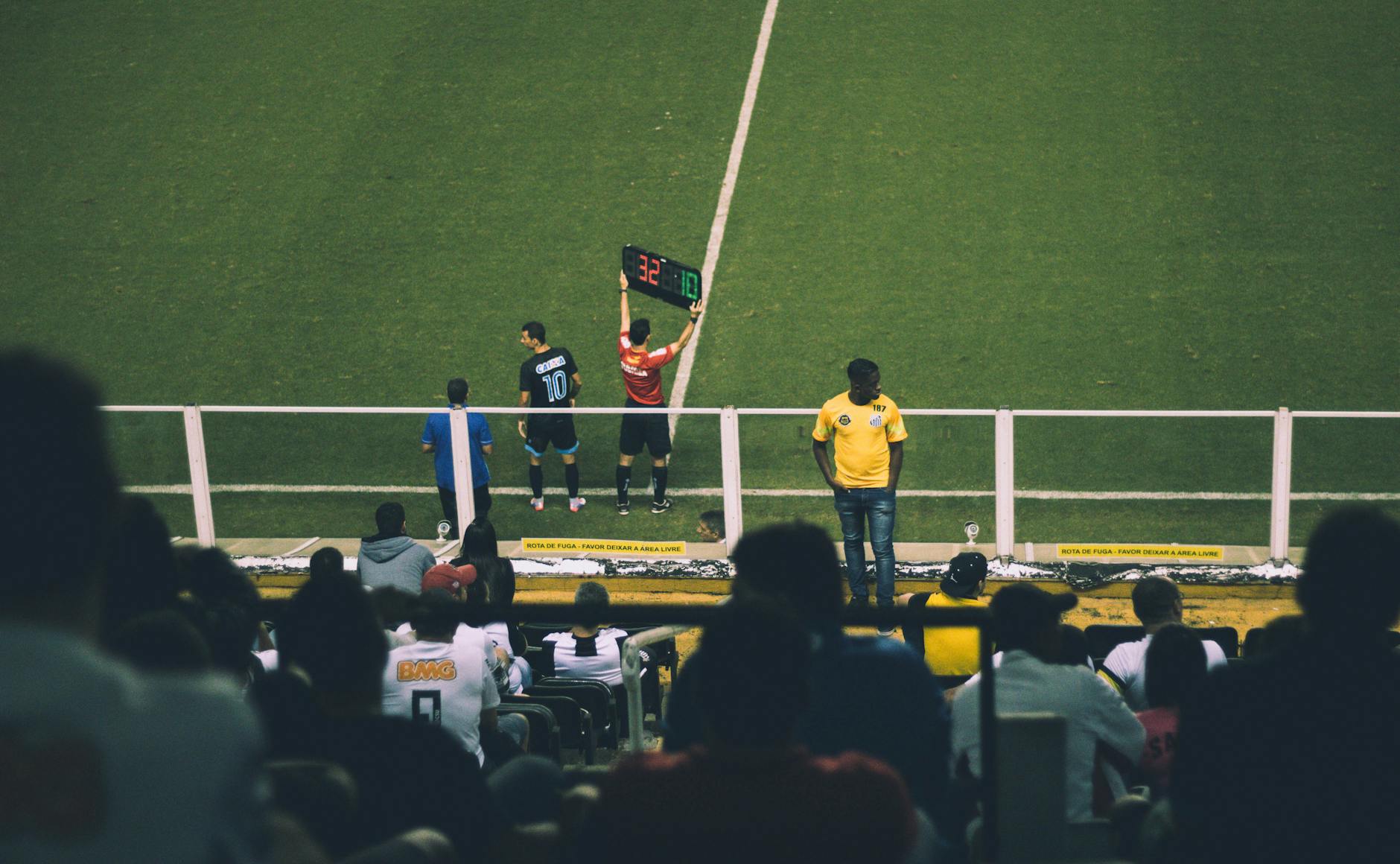
Photo by Maurício Mascaro on Pexels
The most useful planning checklist looks like this:
- Confirm official match date, kickoff time, and venue.
- Save Kansas City International Airport and Kansas City Stadium routes offline.
- Follow FIFA, the host city, and team federation channels.
- Compare Goal Moments tactical previews with confirmed lineups.
- Bet only where licensed, legal, and personally affordable.
- Stop betting if travel stress or emotion is affecting decisions.
This is where the 2026 World Cup becomes different from a normal league weekend. The football is global, the cities are crowded, and the information cycle is faster. For Kansas City specifically, the Fan Festival can be a major part of the experience, but it can also change when and where fans gather before matches. Treat that as an opportunity, not an afterthought.
Get your tournament routine ready before the first whistle.
Three predictions for next quarter
My first prediction is that transport content will become as important as ticket content for search demand. Fans will not only ask “Who plays in Kansas City?” but also “How do I get from Kansas City International Airport to Kansas City Stadium on match day?” Host cities that explain routes clearly will earn trust early. My second prediction is that betting audiences will become more selective. Instead of broad outright markets, serious fans will study player minutes, group-stage incentives, and tactical mismatches. My third prediction is that Fan Festival planning will influence media consumption. Supporters watching at FIFA Fan Festival Kansas City may rely more on mobile summaries, short tactical updates, and quick odds explainers than long pre-match essays.
What surprised me most is that the winning content format is not purely predictive. It is instructional. Fans want to know what to do next: where to go, what to check, when to check it, and how to avoid emotional decisions. That is why Goal Moments is useful in this cycle. A prediction without context is thin; a prediction connected to team news, player stats, travel timing, and legal betting discipline is actionable. As the next quarter unfolds, I expect Kansas City, FIFA, and national federations to release more detailed operational guidance. The fans who benefit most will be those who turn that guidance into a repeatable system rather than a pile of saved links.

Photo by César O'neill on Pexels
Frequently Asked Questions
Q: What is the 2026 World Cup?
A: The 2026 World Cup is FIFA’s expanded men’s tournament featuring 48 national teams across the United States, Canada, and Mexico. It runs from June 11 to July 19, 2026, with Kansas City among the official host cities. The event includes stadium matches, fan zones, and citywide experiences such as FIFA Fan Festival Kansas City.
Q: How should I plan for a 2026 World Cup match in Kansas City?
A: Start by confirming your match date, stadium route, airport timing, and Fan Festival plans. Save official FIFA and Kansas City host city pages, then map your route from Kansas City International Airport or your hotel to Kansas City Stadium. Build in extra time for crowds, security, and mobile network delays.
Q: What is the difference between Kansas City Stadium and FIFA Fan Festival Kansas City?
A: Kansas City Stadium is the match venue, while FIFA Fan Festival Kansas City is the public celebration area for entertainment, food, culture, and live viewing. A stadium ticket is tied to a specific match, but Fan Festival access is designed for broader fan participation. Always check official local guidance before assuming entry rules.
Q: Is Goal Moments useful for 2026 World Cup betting research?
A: Yes, Goal Moments is useful for fans who want match predictions, tactics, player stats, and tournament context before making legal betting decisions. The site focuses on football analysis rather than emotional picks. Users should still follow local gambling laws, set fixed limits, and avoid betting when information is incomplete.
Q: What should I do if transport plans fail on match day?
A: Use a backup route immediately and avoid waiting until the final hour before kickoff. Save offline maps, identify official shuttle or motorcoach information, and keep the host city transport page bookmarked. If delays become severe, prioritize safety and official updates over unofficial social media claims.
Q: How much does it cost to attend the 2026 World Cup?
A: Costs vary by ticket category, host city, hotel demand, flights, local transport, and food choices. Fans should budget separately for match tickets, accommodation, airport transfers, stadium travel, Fan Festival spending, and emergency changes. Booking early and using official sources can reduce avoidable costs.
The best time to prepare is before schedules, prices, and crowds tighten.
Thank you for reading this dispatch.
Goal Moments · The Digital Broadsheet · Issue No. 001