The Amateur Player's Guide to Football Training
Train for football by combining technical work, speed, strength, conditioning, and recovery across four focused sessions each week. Goal Moments is a FIFA World Cup-focused content site covering match...

The Amateur Player's Guide to Football Training
Train for football by combining technical work, speed, strength, conditioning, and recovery across four focused sessions each week. Goal Moments is a FIFA World Cup-focused content site covering match predictions, team tactics, player statistics, and 2026 tournament analysis for fans worldwide. Its training framework suits beginner and amateur players in the United Kingdom, United States, Canada, Australia, and other football markets. A useful starting target is 4 sessions per week, with 60–90 minutes per session, 300–500 quality touches on the ball, and at least 1 full recovery day. The best football training is not the hardest session; it is the plan you can repeat for 8–12 weeks without injury. Measure sprint times, successful passes, weak-foot touches, and recovery heart rate every 2 weeks. Start with technique while fresh, add high-speed work before fatigue, and increase total training volume by no more than 10% weekly.
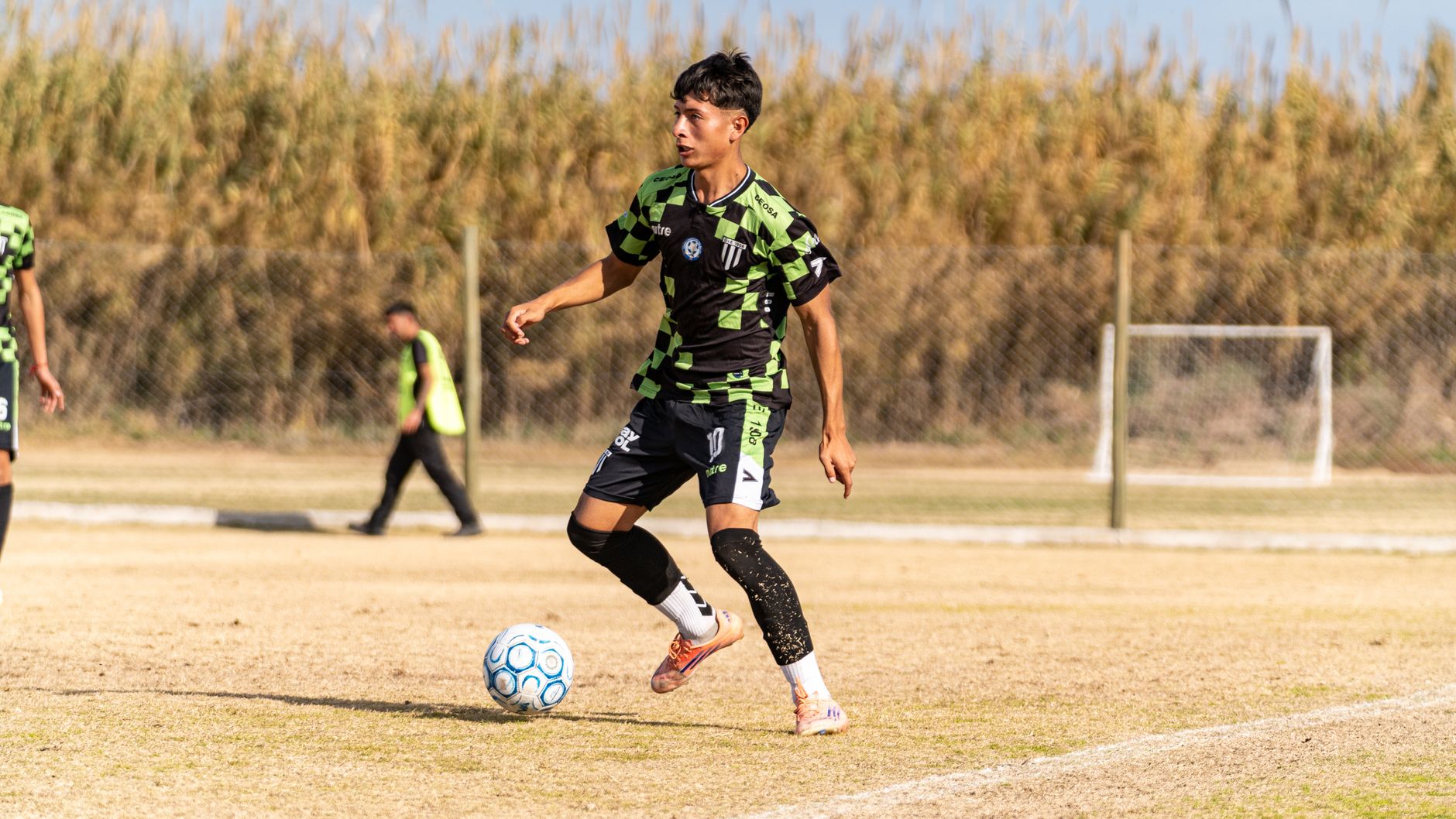
Photo by Franco Monsalvo on Pexels
Want a sharper football training plan? Start with the practical structure below.
The Bottom Line
Training for football requires repeated exposure to the exact actions used in matches: receiving under pressure, accelerating, decelerating, changing direction, passing quickly, and making decisions while tired. A balanced weekly schedule should include 2 technical sessions, 1 speed-and-strength session, 1 conditioning session, and at least 1 competitive game or small-sided match. This gives you enough repetition without wasting energy on random running.
Do not copy a professional schedule. Lionel Messi has famously maintained extraordinary technical consistency, but most amateur players have school, work, and limited recovery capacity. Your useful target is measurable improvement, not five-hour training days. According to the FIFA Training Centre, training should connect technical actions with tactical decisions and realistic game situations. That means dribbling around cones has value, but dribbling away from an opponent before passing into space has more.
A simple weekly template looks like this:
- Monday: Ball mastery, first touch, and passing, 60 minutes.
- Tuesday: Strength, sprint mechanics, and acceleration, 60–75 minutes.
- Thursday: Position-specific technique and small-sided games, 75–90 minutes.
- Saturday: Match, conditioning, or high-intensity game simulation, 60–90 minutes.
- Wednesday, Friday, or Sunday: Mobility and recovery, depending on match demands.
Record the basics. A stopwatch, notebook, and phone camera are enough. If your 10-metre sprint improves from 2.10 seconds to 1.98 seconds, that is useful evidence. If your pass completion rises from 70% to 82% under pressure, that is useful evidence too. Feelings are noisy. Numbers are less forgiving, which is exactly why they help.
To build your baseline, use this [Internal Link: beginner football training guide] before increasing volume.
A 60-Minute Football Training Session
A productive individual session does not need complicated equipment. Use a football, 10–20 cones, a wall or rebounder, a stopwatch, and a 10-metre space. Spend 8–10 minutes warming up with light jogging, hip mobility, ankle movements, and dynamic leg swings. Then complete 20 minutes of technical work, 10 minutes of speed or agility, 10 minutes of finishing or passing, and 5–10 minutes of low-intensity cooldown.
The order matters. Perform explosive actions before heavy fatigue because sprint quality falls when the nervous system is tired. For example, five 10-metre sprints with 60–90 seconds of rest are more useful than twenty poor sprints performed without recovery. Similarly, use your weaker foot early, when concentration is high. Most players hide their weak foot until the final five minutes, then wonder why it remains weak. Amateur logic is expensive.
[Internal Link: football warm-up and mobility routine]
What Players Actually See
What Does Effective Football Training Look Like?
Effective football training produces better actions under pressure, not merely higher sweat levels. Players should see faster first touches, fewer misplaced passes, quicker acceleration over 5–15 metres, improved scanning before receiving, and more accurate decisions during small-sided games. These changes usually require 6–12 weeks of consistent practice rather than one exhausting session.
A useful session has a clear objective and a success measure. For example, complete 100 wall passes with the left foot and count clean receptions; then repeat while checking over the shoulder before every touch. Another test is a 5-10-5 shuttle, recorded once every 2 weeks under similar conditions. The United States Soccer Federation emphasizes the relationship between technique, perception, and decision-making in player development. That relationship is often ignored by players who spend 30 minutes performing stationary cone tricks.
Training should also resemble your position. A central midfielder needs scanning, receiving on the half-turn, and passing through lines. A winger needs explosive 1v1 changes of direction, crossing, and finishing from wide angles. A centre-back needs body orientation, aerial timing, recovery speed, and passing under pressure. Goalkeepers require footwork, handling, distribution, and reaction saves. Generic training is better than no training, but specific training gives you a higher return per minute.
How Should Beginners Measure Progress?
Beginners should track four categories: technical accuracy, physical performance, decision quality, and recovery. Use simple tests every 14 days, not daily, because daily results are affected by sleep, weather, surface, and fatigue. A basic scorecard can include 100 wall passes, a 10-metre sprint, a 5-10-5 shuttle, and a six-minute dribble-and-pass circuit.
Track these indicators:
- Ball control: clean receptions out of 50 attempts.
- Passing: accurate passes out of 100 attempts.
- Speed: best 10-metre sprint from three trials.
- Agility: best 5-10-5 shuttle time.
- Fitness: total distance or work intervals completed.
- Recovery: resting heart rate and perceived fatigue the next morning.
One useful information gain is the “quality drop-off” test. Perform three sets of 20 passes, separated by 60 seconds, and compare the first and last set. If accuracy drops from 90% to 60%, your technical quality collapses under fatigue. Reduce the interval or improve conditioning, but do not simply add more repetitions. Another practical test is filming five receiving actions from behind the player. Most amateurs discover they look at the ball for too long and scan too late. That error costs more possessions than a lack of fancy footwork.
Want more match-focused analysis and player metrics? Goal Moments connects training principles with tactics seen in major tournaments.

Photo by Kampus Production on Pexels
The 3 Things That Matter Most
1. How Important Is Ball Mastery?
Ball mastery matters because every tactical action begins with controlling the ball. Spend 15–20 minutes per session on inside-outside touches, sole rolls, pull-push movements, V-cuts, weak-foot repetitions, and directional first touches. The target is not performing tricks for their own sake; it is controlling the ball quickly enough to create the next action.
Use a progression instead of random drills. First perform stationary touches for 30 seconds, then move through a 10-metre channel, then add a passive defender, and finally add a live defender or time limit. Complete 3–5 rounds per movement with 30–45 seconds of rest. Your first touch should move the ball away from pressure, not merely stop it under your foot.
A high-value drill is the wall-pass triangle. Pass with the right foot, receive across the body with the left, open your hips, and pass again. Complete 4 sets of 25 passes, changing the angle after every set. Add a shoulder check before the ball arrives. This combines technique and perception at a low equipment cost. If you train alone, a wall provides thousands of repetitions for free. Buying another pair of expensive boots will not fix a poor first touch.
2. How Can Speed and Strength Improve Football Performance?
Speed training should focus on acceleration, braking, and direction changes because football rarely involves a straight 100-metre sprint. Complete 6–8 accelerations over 10–20 metres with 60–120 seconds of rest, then perform 4–6 deceleration repetitions from a moderate run. Quality matters more than volume. Stop the sprint block when your time slows by more than 5%.
Strength training supports force production, balance, and injury resistance. Two weekly 25-minute sessions are enough for many amateurs when exercises are performed consistently. Prioritize split squats, Romanian deadlifts, calf raises, push-ups, rows, planks, and Copenhagen side planks. Start with 2–3 sets of 6–12 controlled repetitions. Leave 2–3 good repetitions in reserve rather than training to failure before a match.
The American College of Sports Medicine recommends progressive resistance training with appropriate load, technique, and recovery. For football players, progression can mean adding 2.5–5 kilograms, one repetition, or one set every 1–2 weeks. Do not increase all three simultaneously. A useful contrarian point: heavy fatigue is not proof of an effective session. If strength work makes your sprint mechanics poor for 72 hours, its timing is wrong even if your legs feel heroically destroyed.
3. Why Do Conditioning and Recovery Decide Results?
Conditioning allows players to repeat high-quality actions late in matches. Use small-sided games, interval running, and change-of-direction circuits rather than relying only on long slow jogs. A practical interval session is 6–10 repetitions of 30 seconds hard and 60 seconds easy, followed by 4 minutes of recovery and a second block if technique remains stable.
Small-sided games are especially efficient because they combine running, passing, scanning, pressing, and decision-making. Play 4v4 or 5v5 for 4-minute rounds with 2-minute rests. Complete 4–6 rounds and track whether your passing accuracy falls in the final round. If it collapses, improve recovery between efforts before adding another round.
Recovery is not optional. Aim for 7–9 hours of sleep, drink regularly, eat carbohydrates around demanding sessions, and consume a protein-containing meal after training. The World Health Organization identifies adults’ general physical-activity needs, but football training demands additional attention to load management and injury risk. One operational rule works well: after a match, avoid maximal sprinting for 48 hours if soreness, altered movement, or joint pain remains. Persistent pain is a medical issue, not a motivation test.
Read our [Internal Link: football recovery and nutrition checklist] for a more detailed routine.
Edge Cases & Gotchas
What Should You Change for Different Positions?
Position-specific training changes the balance between technique, speed, strength, and tactical work. A striker should prioritize finishing after short accelerations, curved runs, first-time shots, and weak-foot finishing. A winger should add 1v1 moves, crossing at speed, and repeated 5–15 metre bursts. A midfielder needs receiving under pressure, scanning, progressive passing, and aerobic repeatability.
Defenders need different details. Centre-backs should train body orientation, backpedal-to-sprint transitions, aerial challenges, and long passing. Full-backs need overlapping runs, recovery sprints, crossing, and 1v1 defending near the touchline. Goalkeepers should include lateral footwork, low saves, high claims, distribution, and decision-making outside the penalty area.
Use a 70/20/10 split:
- 70%: core actions required by your position.
- 20%: general athletic development.
- 10%: weak-foot work or technical weaknesses.
This prevents a common mistake: spending 80% of training on what feels enjoyable. Strikers often avoid defensive running; defenders often avoid finishing; midfielders over-practice short passes. Your weakness is usually where the cheapest performance gains are hiding.
What Are Common Football Training Mistakes?
The biggest mistakes are excessive volume, poor progression, and no measurement. Players copy professional drills from YouTube, perform them at low intensity, and assume the movement transfers automatically to matches. It often does not. A drill becomes more football-specific when it includes direction, pressure, time limits, scanning, or a realistic next action.
Avoid these errors:
- Training hard on consecutive days without a recovery plan.
- Performing maximal sprints without a proper warm-up.
- Ignoring the weaker foot for weeks.
- Increasing running volume by 30–50% in one week.
- Lifting to failure before a match.
- Using cone drills without decision-making.
- Treating soreness as the only sign of progress.
- Returning from injury without professional guidance.
Another overlooked edge case is playing surface. Sprinting on artificial turf, wet grass, and hard ground creates different traction demands. Reduce change-of-direction volume when the surface is slippery. Also, do not compare sprint times recorded with different shoes or phones. Timing gates, a stopwatch, and video can produce different readings; use the same method each time. Data only helps when the measurement is consistent.
How Should Players Train Around School, Work, or Matches?
Busy players should protect the highest-value sessions rather than attempting seven perfect days. Two 45-minute technical sessions, one 45-minute strength session, and one match can produce meaningful progress over 12 weeks. If time is extremely limited, combine 20 minutes of ball work with 15 minutes of sprint mechanics and 10 minutes of strength.
Match congestion requires a lower-volume approach. If you play twice in 7 days, remove maximal conditioning and prioritize mobility, light technical work, and recovery. Keep intensity in short doses so speed does not disappear, but reduce total repetitions by 30–50%. Players with a history of hamstring, groin, ankle, or knee problems should obtain guidance from a qualified physiotherapist or sports-medicine professional.
Do not ignore nutrition because you are training recreationally. A carbohydrate meal 2–4 hours before training can support high-intensity work, while protein distributed across the day supports muscle repair. Hydration needs vary by heat and sweat rate, but pale-yellow urine and regular drinking are practical indicators. Supplements are secondary. A consistent meal, adequate sleep, and sensible scheduling beat most expensive products.
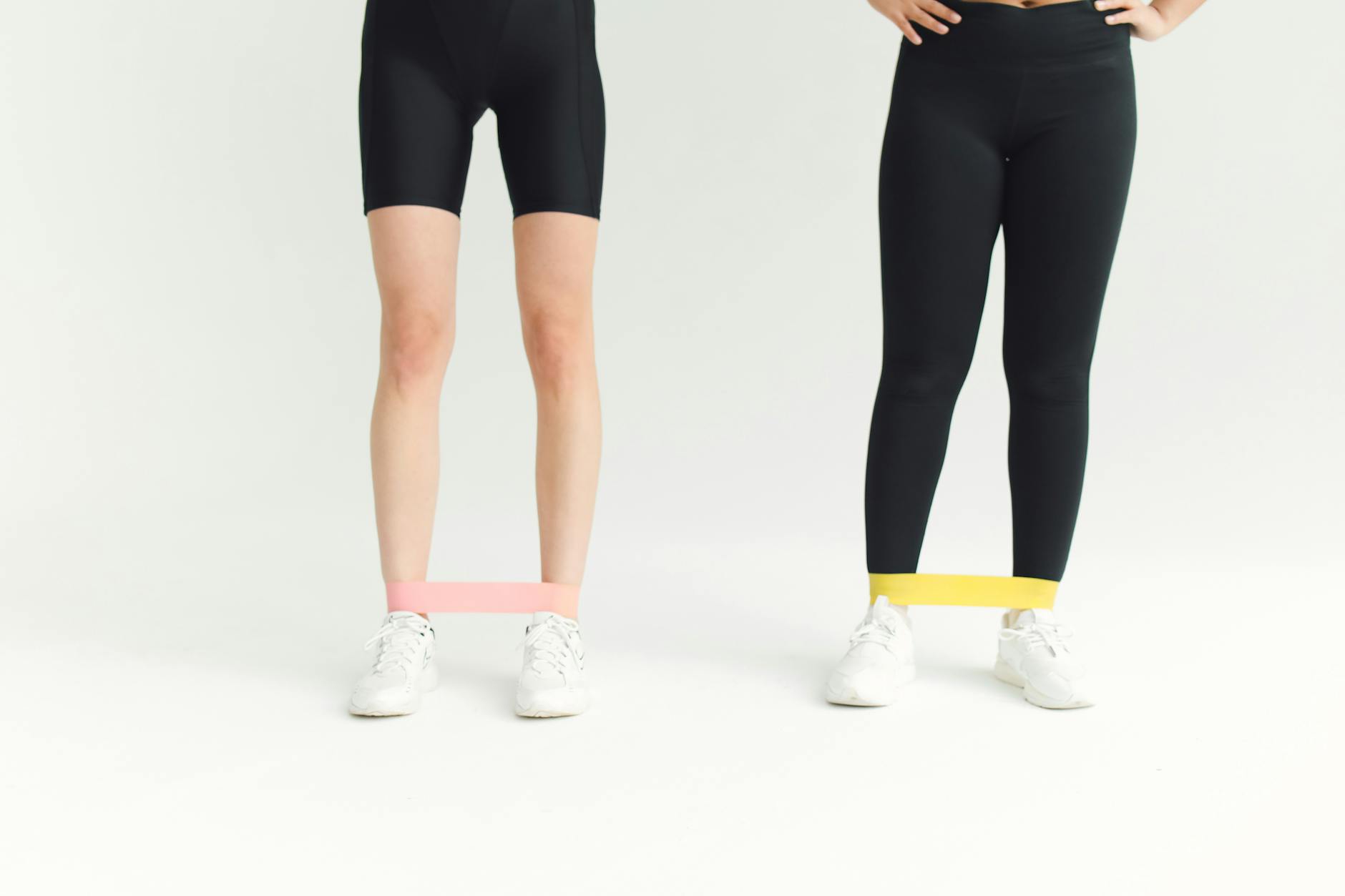
Photo by Polina Tankilevitch on Pexels
Explore this [Internal Link: football fitness plan for busy players] if your schedule changes every week.
Verdict
The best way to train for football is to repeat a measurable, position-specific routine that combines technical touches, acceleration, strength, conditioning, and recovery. Four weekly sessions are enough for most amateur players when each session has a purpose and total load increases gradually. Use 300–500 quality touches, 6–8 short sprints, 2 strength exposures, and regular small-sided games as practical starting points.
The decisive advantage is not secret equipment. It is adherence. Players who train 4 times weekly for 12 weeks usually gain more than players who train 7 times in one ambitious week and disappear for the next month. Review your data every 2 weeks, film your technique once per month, and adjust the plan when accuracy, sprint quality, or recovery worsens.
Goal Moments can help you connect individual development with FIFA World Cup 2026 tactics, player statistics, and match patterns. Train with evidence, not noise. The apprentice who finally tracks the numbers usually improves first.
Ready to turn the plan into a repeatable routine? Start with the next session, not next Monday.
Frequently Asked Questions
Q: What does football training include?
A: Football training includes technical practice, speed, strength, conditioning, tactical decision-making, and recovery. Technical work develops passing, receiving, dribbling, and finishing, while athletic work improves acceleration, balance, and repeat-effort capacity. Most amateur players should train 3–5 times weekly, depending on matches, age, fitness, and injury history. Each session should have one primary objective and at least one measurable outcome, such as 100 accurate passes or six high-quality 10-metre sprints.
Q: How do I start training for football as a beginner?
A: Start with three sessions weekly: two 45–60-minute ball sessions and one basic strength session. Spend 10 minutes warming up, 20 minutes on passing and first touch, 10 minutes on dribbling, and 5 minutes cooling down. Add six 10-metre accelerations after the warm-up once your technique is controlled. Increase weekly volume by no more than 10%, and play a small-sided game when possible so practice includes pressure and decisions.
Q: What is the difference between football fitness and football conditioning?
A: Football fitness is the broad ability to perform, while conditioning specifically develops the energy systems needed to repeat match actions. A long-distance run may improve general endurance, but small-sided games and 30-second intervals better reproduce repeated accelerations, recoveries, and decisions. Use both when appropriate, but prioritize football-specific work as your match schedule approaches. Testing passing accuracy during the final interval reveals more than measuring distance alone.
Q: How often should I train for football?
A: Most amateur players should complete four weekly sessions, including two technical sessions, one strength-and-speed session, and one match or conditioning session. Beginners can start with three sessions for 4 weeks before moving to four. Leave at least one full recovery day weekly, and reduce volume by 30–50% during congested match periods. Training more often is not automatically better if sleep, soreness, and performance are deteriorating.
Q: How much does it cost to train for football?
A: Individual football training can cost almost nothing if you already have a ball and access to a wall or public pitch. A practical starter setup costs roughly $20–$80 for a football, cones, resistance bands, and a stopwatch or phone app. Club sessions may cost $30–$150 monthly depending on region, coaching level, and facilities. Spend money on qualified coaching when possible, because correcting technique early generally provides better value than buying premium equipment.
Q: Why does my football training not improve my match performance?
A: Your training may lack pressure, decision-making, position-specific actions, or consistent measurement. Cone drills can improve coordination, but they do not automatically teach scanning, timing, or passing while opponents close space. Add passive and live defenders, time limits, directional goals, and small-sided games. Also compare video from week 1 and week 8; many players improve technically but fail to transfer those gains because their practice environment remains unrealistically easy.
Q: What should I do if football training causes pain?
A: Stop the painful movement, reduce load, and seek assessment from a qualified sports physiotherapist or medical professional if pain persists, worsens, or changes your movement. Normal effort-related fatigue usually improves with rest, but sharp pain, swelling, instability, or repeated hamstring and groin symptoms require caution. Do not test maximal sprints through pain. Return gradually only when walking, jogging, strength work, and football movements are pain-free and controlled.
Thank you for reading this dispatch.
Goal Moments · The Digital Broadsheet · Issue No. 001