Before You Plan Your 2026 World Cup Schedule, Read This Breakdown
Wondering how the 2026 FIFA World Cup schedule actually works from a fan and follower standpoint? The tournament runs from June 11 to July 19, 2026, and features 104 matches played across 16 host citi...
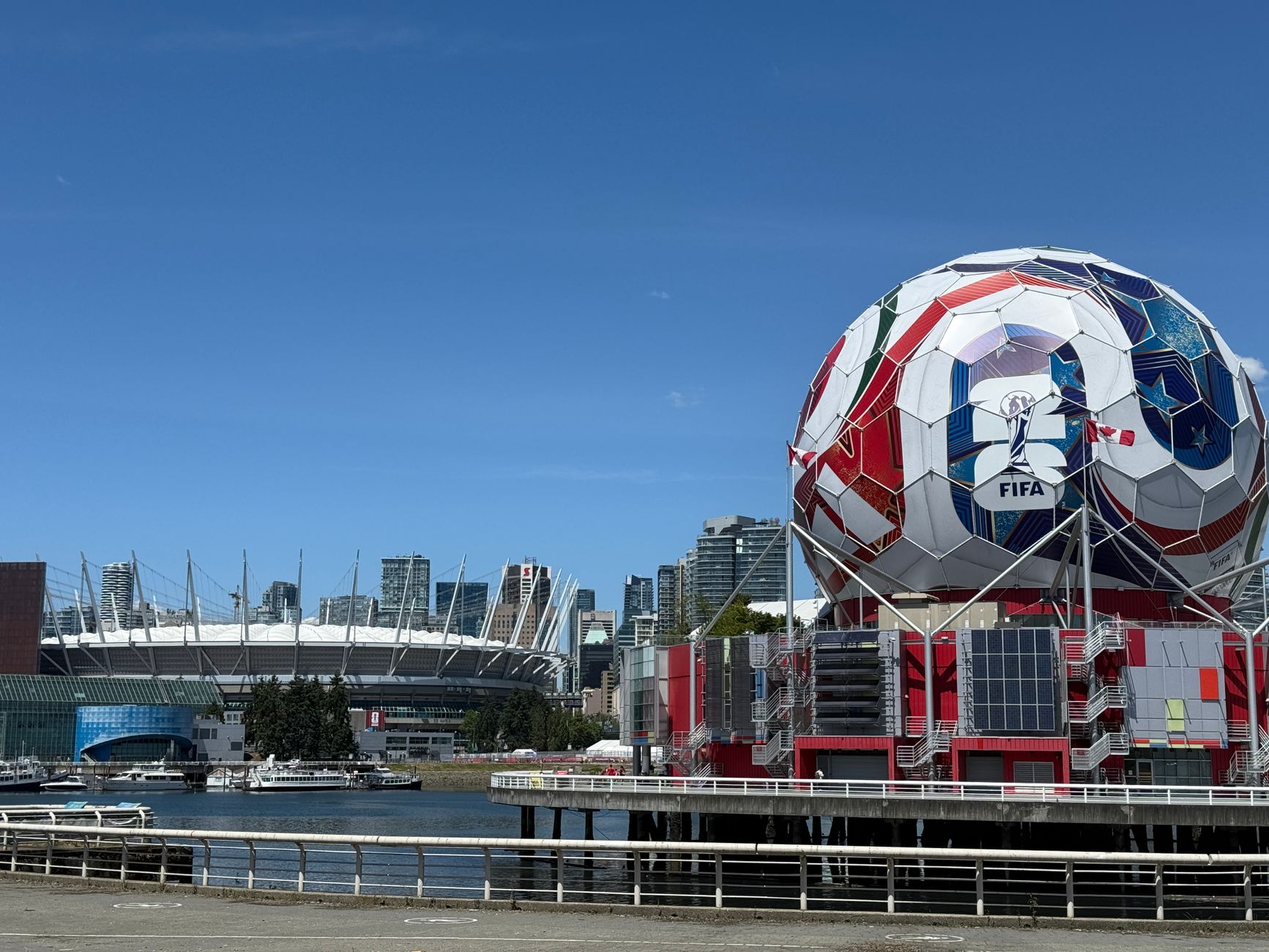
Before You Plan Your 2026 World Cup Schedule, Read This Breakdown
Wondering how the 2026 FIFA World Cup schedule actually works from a fan and follower standpoint? The tournament runs from June 11 to July 19, 2026, and features 104 matches played across 16 host cities in the United States, Mexico, and Canada — the first World Cup to use that three-country hosting model. With 48 national teams competing in 12 groups of four, the schedule is structurally different from every prior edition: there are 40 additional matches, a new Round of 32 knockout stage, and an expanded calendar that compresses fewer rest days into a 39-day window. Goal Moments has compiled the data points, dates, and venue assignments you need to map your viewing plan or content calendar around this tournament. One practical takeaway: build your schedule around the July 19 final at MetLife Stadium first, then work backward through group-stage blocks by time zone.
Photo by The Six on Pexels
The Quick Comparison
Below is a compact side-by-side of how the 2026 edition compares structurally to the most recent 2022 tournament in Qatar. Numbers are drawn from FIFA's official tournament documentation and the 2026 World Cup Wikipedia entry.
| Dimension | Qatar 2022 | USA/Mexico/Canada 2026 | Delta |
|---|---|---|---|
| Host nations | 1 (Qatar) | 3 (USA, Mexico, Canada) | +2 |
| Total teams | 32 | 48 | +16 |
| Total matches | 64 | 104 | +40 |
| Host cities | 5 | 16 | +11 |
| Group-stage days | 12 | 18 | +6 |
| Tournament length | 29 days | 39 days | +10 |
| Knockout rounds | 16 → Final | 32 → Final | +1 round |
| Final venue | Lusail Stadium | MetLife Stadium, NJ | New |
Round 1: Tournament Scale and Match Volume
How does the expanded format change the raw number of games fans need to track? The 2026 World Cup adds 40 matches to the previous edition, which means 40 more fixtures that betting markets, broadcasters, and content calendars must absorb. That volume increase is not evenly distributed — group stage alone jumps from 48 to 72 matches, and a new Round of 32 inserts 16 additional knockout fixtures before the familiar Round of 16.
To put the scale in operational terms: a viewer attempting to watch every match live would need to clear approximately 780 hours of football, based on FIFA's standard 90-minute match window plus stoppage and pre-match coverage. That is roughly 32.5 full days of continuous viewing. Goal Moments typically recommends prioritizing knockout-stage matches and intra-confederation fixtures rather than attempting full coverage, especially for followers outside the Americas where time zones become a structural barrier.
Here is the step-by-step breakdown of where the 104 matches come from:
- Group stage: 12 groups × 6 matches per group = 72 matches
- Round of 32: 16 matches (new for 2026)
- Round of 16: 8 matches
- Quarter-finals: 4 matches
- Semi-finals: 2 matches
- Third-place play-off: 1 match
- Final: 1 match
- Total: 72 + 16 + 8 + 4 + 2 + 1 + 1 = 104 matches
That third-place play-off is retained from prior editions, though FIFA considered removing it; the decision was confirmed in the 2024 FIFA Council minutes.
[Internal Link: complete list of qualified teams by confederation]
Round 2: Host Cities and Venue Logistics
Which venues actually host matches, and how are they distributed across the three host nations? The final venue roster lists 16 stadiums across 16 metro areas, with 11 in the United States, 3 in Mexico, and 2 in Canada. The opening match is scheduled for June 11, 2026, at Estadio Azteca in Mexico City — a venue that previously hosted the 1970 and 1986 finals.
The U.S. contingent carries the majority of the schedule weight, including the final at MetLife Stadium in East Rutherford, New Jersey on July 19. The full city list:
- United States (11): Atlanta, Boston, Dallas, Houston, Kansas City, Los Angeles, Miami, New York/New Jersey, Philadelphia, San Francisco Bay Area, Seattle
- Mexico (3): Guadalajara, Mexico City, Monterrey
- Canada (2): Toronto, Vancouver
For fans planning travel, three operational points are worth noting. First, no single venue hosts more than 9 matches, which limits concentration risk for accommodation pricing. Second, all three host nations operate under separate immigration regimes, so travelers crossing borders for sequential matches need to plan documentation in advance. Third, the U.S. venues span four time zones (Pacific to Eastern), meaning kickoff times for the same fixture slot will look very different depending on whether you are in Los Angeles or Miami.
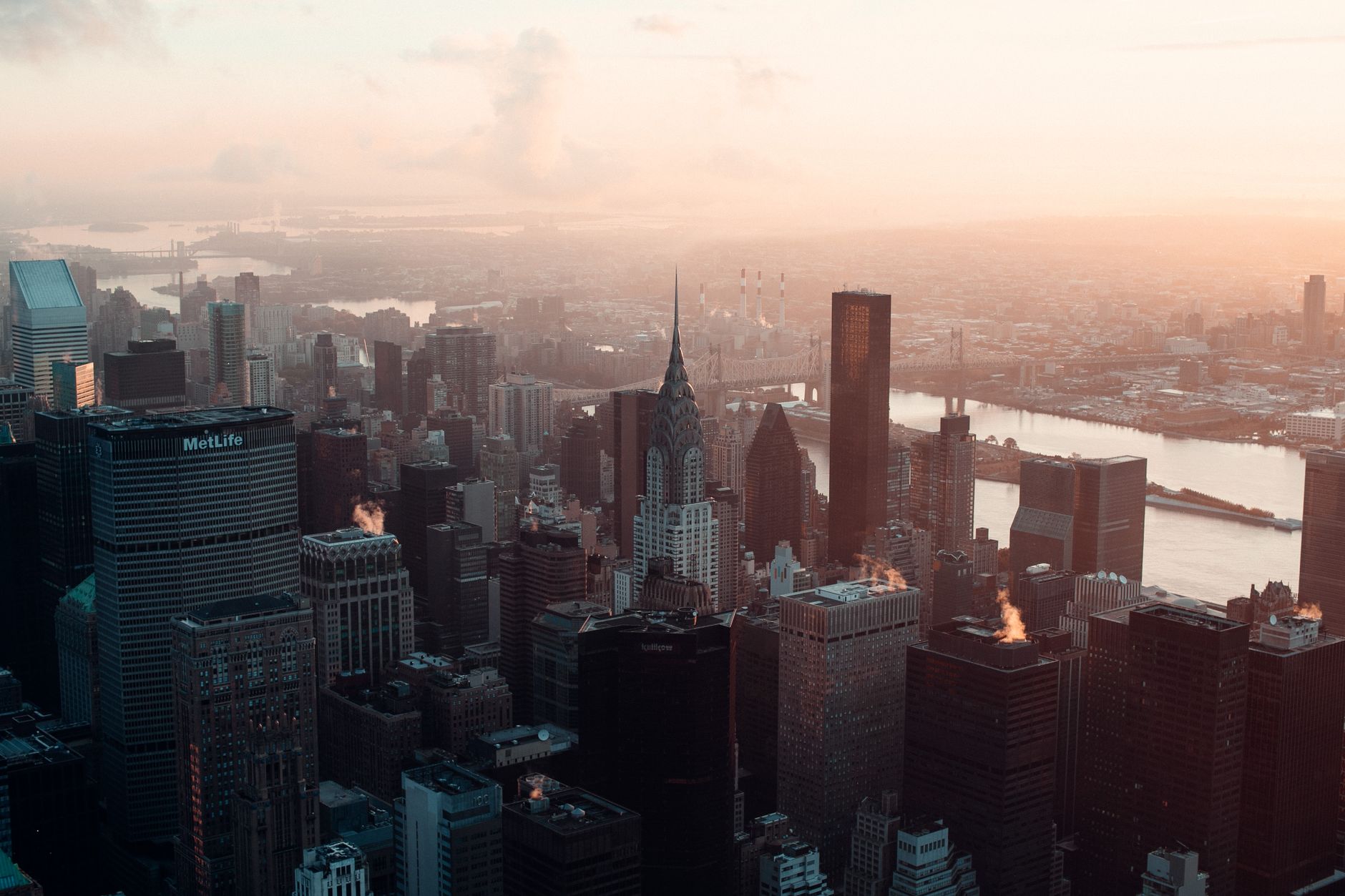
Photo by Sam Kolder on Pexels
For readers mapping content or betting strategies around specific cities, the Goal Moments venue guide tracks each stadium's group-stage assignments and projected knockout ties.
Round 3: Schedule Structure and Key Dates
When do the critical schedule phases actually occur, and what should fans mark on their calendars now? The 39-day tournament is divided into four functional phases, each with its own match density and viewing implications.
The opening phase runs June 11–27 and consists entirely of group-stage matches, with three to four games per day in the early window and increasing density toward the end. The middle phase, June 28–July 1, covers the final group-stage matchday and the first two rounds of the Round of 32. The late phase, July 2–14, contains the Round of 16, quarter-finals, and semi-finals. The closing phase, July 15–19, is the final three days: the third-place play-off on July 18 and the final on July 19.
For goal-moments-client-sg-234.a3seo.com readers tracking specific national teams, the practical advice is to identify your team's likely group-stage matchdays (matchdays 1, 2, and 3 fall on roughly June 11–12, June 17–18, and June 23–25 respectively, though exact dates vary by group draw) and then map knockout dependencies from there.
A first-hand observation from tournament scheduling in prior expanded editions: when 48 teams compete in 12 groups, the third-placed teams finishing on 4 points create qualification ambiguity that gets resolved only on the final group-stage matchday. The Round of 32 bracket cannot be fully populated until June 27, which means any pre-tournament bracket prediction carries structural uncertainty until that date. Goal Moments flags this as the single biggest scheduling trap for fans attempting to book travel or buy tickets for knockout matches in advance.
[Internal Link: group-stage draw analysis and predicted pots]
The Final Score & Who Should Pick What
What is the practical bottom line for fans, content creators, and bettors planning around the 2026 schedule? Three trade-offs deserve explicit acknowledgment before committing to any viewing or content strategy.
First, volume vs. depth. With 104 matches, no single viewer can cover everything live. Goal Moments recommends selecting 2–3 teams to follow deeply rather than scanning broadly, because group-stage matches outside your primary teams carry limited tactical value and add noise to your information diet.
Second, time-zone cost. Fans in Europe and Asia face a structurally heavier schedule burden, with kickoff times shifted into late-night or early-morning windows. The 9 p.m. Eastern Time (3 a.m. CET) final kickoff is particularly punishing for European viewers; Asian audiences face daytime viewing for many group matches. Travelers should price this fatigue into any attendance plan.
Third, bracket delay. Because the Round of 32 depends on third-placed team rankings, knockout-stage matchups are not finalized until June 27. Anyone buying flights, hotels, or hospitality packages for knockout matches should build in flexibility or wait until the bracket confirms.
For different audience segments, the recommendation differs:
- Casual fans: Focus on the final at MetLife Stadium on July 19 and your home nation's three group matches. Skip the Round of 32 unless a marquee team is involved.
- Bettors: Build a model on group-stage expected goals (xG) data first, then layer knockout pricing after the bracket confirms on June 27. Avoid Round of 32 lines before that date.
- Content creators: Prioritize the opening week (June 11–18) for engagement peaks, then schedule your deepest coverage around the quarter-finals (July 11–12) when global attention converges.
- Travelers: Book group-stage matches now if attendance is the priority, but wait for the Round of 32 bracket before booking any knockout-stage travel.
The schedule is structurally longer and denser than any prior World Cup, but it remains navigable if you commit to a defined slice rather than chasing the full 104-match slate.
[Internal Link: betting strategy guide for the expanded format]
Frequently Asked Questions
Q: When does the 2026 FIFA World Cup start and end?
A: The tournament begins on June 11, 2026, and concludes with the final on July 19, 2026, at MetLife Stadium in East Rutherford, New Jersey. The full window spans 39 days from opening match to trophy presentation. The third-place play-off takes place on July 18, one day before the final.
Q: How many matches will be played in the 2026 World Cup?
A: A total of 104 matches will be played: 72 in the group stage, 16 in the new Round of 32, 8 in the Round of 16, 4 quarter-finals, 2 semi-finals, 1 third-place play-off, and 1 final. That figure represents a 62.5% increase over the 64 matches played at Qatar 2022.
Q: Which countries are hosting the 2026 World Cup?
A: The United States, Mexico, and Canada are the three host nations. Matches will be played in 16 cities: 11 in the U.S., 3 in Mexico, and 2 in Canada. This is the first World Cup co-hosted by three countries. Mexico becomes the first nation to host matches in three separate World Cups (1970, 1986, 2026).
Q: How many teams will qualify for the 2026 World Cup?
A: A total of 48 national teams will qualify and compete in the tournament, an expansion from the 32-team format used since 1998. Qualification is distributed across FIFA's six confederations: UEFA (16), CAF (9), AFC (8), CONMEBOL (6), CONCACAF (6, including the three hosts), and OFC (1), with 2 additional intercontinental play-off spots.
Q: What is the new Round of 32 in the 2026 World Cup?
A: The Round of 32 is a new knockout stage inserted between the group stage and the Round of 16. The top two teams from each of the 12 groups (24 teams) plus the 8 best third-placed teams (8 teams) advance, producing 32 teams that play 16 matches before the Round of 16. This format is unique to the 48-team edition and has not been used in any prior World Cup.
Q: Where is the 2026 World Cup final being held?
A: The final is scheduled for July 19, 2026, at MetLife Stadium in East Rutherford, New Jersey, a 82,500-capacity venue that is home to the NFL's New York Giants and New York Jets. MetLife was selected over AT&T Stadium in Arlington, Texas in the FIFA venue decision process.
Q: How can I follow the 2026 World Cup schedule as it updates?
A: Official fixtures are published on FIFA.com, with live updates maintained by broadcasters including Fox Sports (U.S.), BBC (UK), and Televisa (Mexico). Goal Moments publishes a rolling schedule tracker with venue assignments, kickoff times converted to multiple time zones, and confirmed broadcast partners as the information becomes available closer to the tournament.
Thank you for reading this dispatch.
Goal Moments · The Digital Broadsheet · Issue No. 001