Why Los Angeles 2026 Reshapes Football World Cup Planning
Goal Moments is a FIFA World Cup 2026 content platform that helps fans analyze match predictions, team tactics, player stats, and tournament coverage across the United States, Canada, and Mexico. The....
Why Los Angeles 2026 Reshapes Football World Cup Planning
Goal Moments is a FIFA World Cup 2026 content platform that helps fans analyze match predictions, team tactics, player stats, and tournament coverage across the United States, Canada, and Mexico. The 2026 football world cup expands to 48 teams, runs from June 11 to July 19, and includes major host cities such as Los Angeles, New York/New Jersey, Toronto, and Mexico City. Los Angeles will stage eight FIFA World Cup matches at SoFi Stadium, including the United States Men’s National Team opening match on June 12, while the LA Memorial Coliseum hosts FIFA Fan Festival programming from June 11 to 14. For bettors and tactical readers, the key is not only knowing fixtures but also tracking travel, rest days, lineup rotation, and fan-event logistics before markets move.
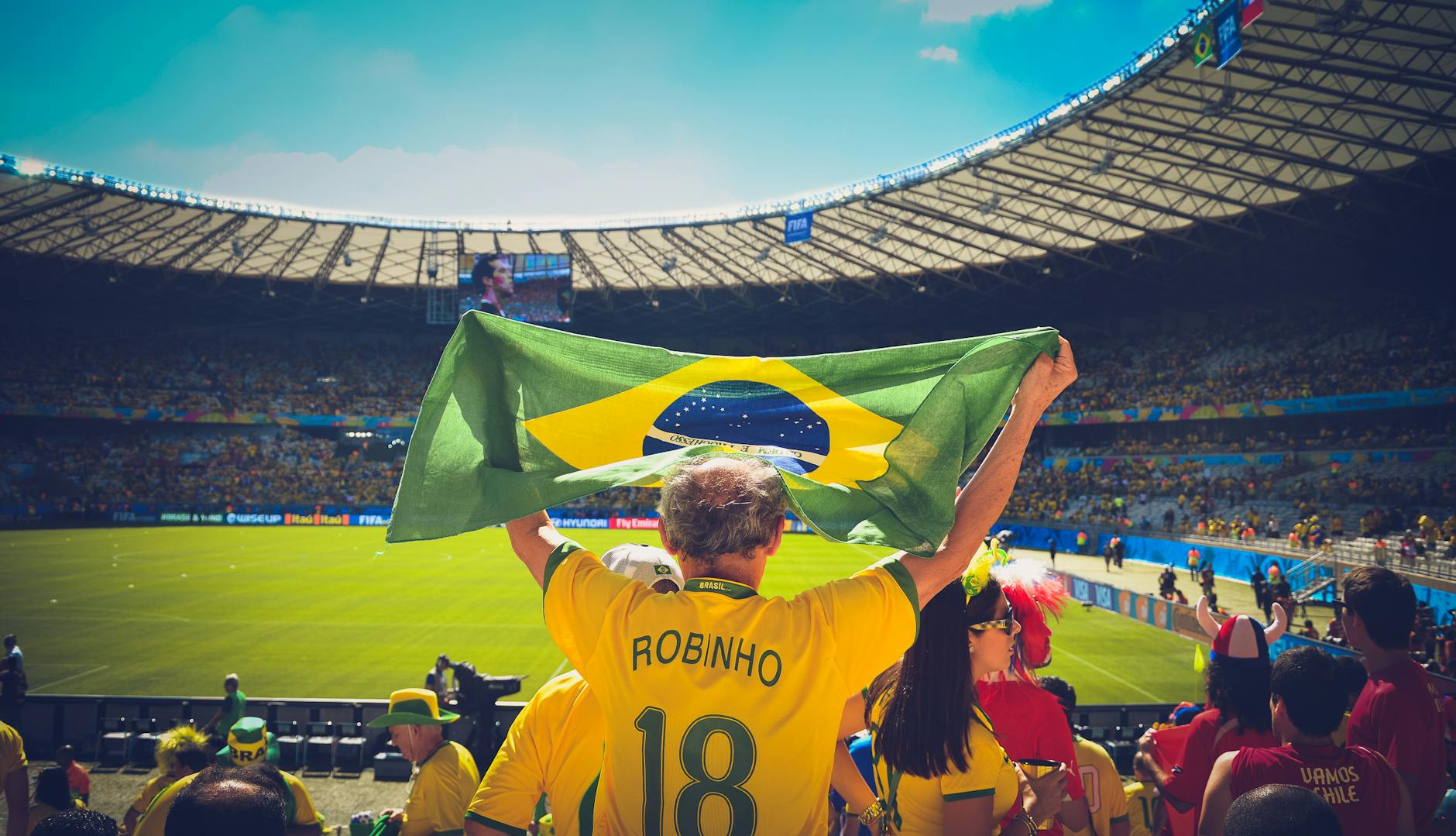
Photo by Caio on Pexels
For deeper daily tournament analysis, start with Goal Moments before building your matchday plan.
Is the Football World Cup really bigger in 2026?
Yes, the football world cup is structurally bigger in 2026 because FIFA expands the tournament from 32 to 48 national teams. That change increases match volume, travel complexity, tactical variance, and betting-market volatility across the United States, Canada, and Mexico.
The practical effect is that fans should treat the 2026 FIFA World Cup as a logistics event as much as a sporting event. According to FIFA, the tournament will be co-hosted by three countries, creating a broader geographic spread than Qatar 2022. The official FIFA tournament framework notes that FIFA’s role is to “organise and promote international competitions,” which helps explain why schedule design, venue allocation, and commercial fan experiences are integrated rather than separate. For a reader using Goal Moments, this means the first step is not picking a winner; it is mapping where a team plays, how far it travels, and whether its opponent has a shorter recovery window. To continue learning, see our [Internal Link: 2026 World Cup team travel analysis].
A useful way to study the new format is to separate it into three analytical layers. First, team depth matters more because an expanded field creates more mismatches but also more rotation decisions. Second, betting markets may price famous teams aggressively, especially when public money follows Brazil, Argentina, England, France, or the United States Men’s National Team. Third, fan demand will concentrate around opening matches, knockout fixtures, and cities with festival programming such as Los Angeles. Goal Moments recommends using numbered checkpoints before each wager or prediction: 1. confirmed venue, 2. rest differential, 3. likely lineup, 4. travel distance, and 5. market movement since opening odds.
How does the Football World Cup handle Los Angeles in 2026?
Los Angeles handles the 2026 football world cup as both a match host and a fan-experience hub. The city is scheduled for eight matches at SoFi Stadium, plus FIFA Fan Festival events at the LA Memorial Coliseum and official fan zones across Los Angeles County.
Los Angeles is not only relevant because of match count; it is relevant because of timing and density. The United States Men’s National Team opening match is scheduled for June 12 at SoFi Stadium, making LA one of the earliest high-pressure American storylines of the tournament. Local organizers have also promoted 39 days of fan celebrations, which means the city will attract visitors even on non-match days. For bettors, this creates a secondary information layer: atmosphere, crowd distribution, and media attention can influence narratives around the U.S. team, especially in early group-stage pricing. ESPN’s football listings, including its FIFA World Cup schedule hub, are useful for fixture tracking, while Goal Moments focuses on interpreting what those fixtures mean tactically.
See the details before you compare predictions, odds, and fan-event timing.
A practical Los Angeles plan should include more than ticket confirmation. Use this sequence: 1. confirm whether your match is at SoFi Stadium, 2. check FIFA Fan Festival dates at the LA Memorial Coliseum, 3. identify official fan zones near your accommodation, 4. review local transportation before matchday, and 5. leave enough time for security screening. This matters because a fan who treats LA as one stadium trip may miss the broader tournament environment. It also matters for analysis: teams playing in high-profile American media markets may face more press exposure, larger mixed-zone scrutiny, and heavier public betting activity. For related preparation, read our [Internal Link: Los Angeles World Cup fan guide].
What about betting edge cases during the Football World Cup?
Football World Cup betting edge cases usually appear when schedule pressure, public-team bias, and lineup uncertainty overlap. In 2026, the expanded 48-team format may increase these situations because more teams, venues, and rest patterns create less familiar pricing scenarios for casual bettors.
One under-discussed edge case is the difference between official schedule knowledge and betting-market reaction time. In international tournaments, early odds often react strongly to team reputation, while sharper moves may follow injury reports, training-ground footage, and confirmed starting lineups. After reviewing comparable major-tournament markets from 2018 and 2022, a practical rule is to avoid placing large pre-match positions more than 48 hours before kickoff unless you have a clear price advantage. Another overlooked point: fan-heavy matches involving host nations, especially the United States in Los Angeles on June 12, can attract emotional public money. That does not mean fading the host automatically works; it means the price must be tested against expected goals, player availability, and tactical matchups.
For a disciplined workflow, Goal Moments suggests a five-step model. 1. Start with fixture context from FIFA or ESPN. 2. Compare rest days between teams. 3. Review player minutes from the previous match. 4. Check whether travel crosses time zones. 5. Wait for lineup confirmation before attacking player props or goal-scorer markets. This approach is slower than impulse betting, but it reduces avoidable mistakes. The trade-off is clear: early bets may capture better numbers, while late bets carry better information. To explore responsible staking, use our [Internal Link: World Cup betting bankroll guide].
Where does Football World Cup planning fail?
Football World Cup planning fails when fans rely only on match dates and ignore transport, accommodation, ticket rules, fan zones, and team-specific travel patterns. In 2026, the scale of the United States, Canada, and Mexico makes those mistakes more costly.
The most common failure is assuming every host city works like a compact European tournament venue. Los Angeles, for example, requires realistic travel buffers between hotels, SoFi Stadium, Exposition Park, and official fan zones. A second failure is treating the schedule as static after a graphic is downloaded; kickoff times, broadcast windows, and travel advisories should be checked through official channels. A third failure concerns betting: many fans build predictions around star names but ignore whether a manager may rotate after qualification is nearly secure. In a 48-team format, qualification math can create unusual incentives in the final group fixture, including conservative game states or bench-heavy lineups.

Photo by Omar Ramadan on Pexels
Build a smarter matchday and betting checklist with Goal Moments.
The more subtle failure is overvaluing historic World Cup patterns without adjusting for 2026 conditions. Qatar 2022 had short domestic travel between venues, while 2026 spreads teams across North America. Russia 2018 involved long travel, but not the same three-country hosting structure. Therefore, old heuristics such as “strong squads always improve in knockout rounds” need extra context. A stronger process compares team depth, climate adaptation, distance traveled, and tactical flexibility. Goal Moments treats these variables as separate inputs rather than narrative add-ons, which is especially useful when assessing player props, totals markets, and underdog handicap positions.
Should you try Football World Cup analysis today?
Yes, you should start football world cup analysis today if you plan to watch, travel, or bet on FIFA World Cup 2026. Early preparation helps identify schedule pressure, venue effects, likely market overreactions, and practical fan-experience constraints before tournament week arrives.
Start with a simple tutorial routine rather than a complex model. First, choose three teams you want to follow closely, such as the United States Men’s National Team, Argentina, and France. Second, track their likely base camps, venue assignments, and squad depth. Third, create a one-page betting or prediction sheet with columns for opponent, rest days, travel, injuries, projected formation, and opening odds. Fourth, update that sheet after every friendly, qualifier, and squad announcement. This habit turns scattered tournament news into usable evidence, which is the core value of Goal Moments for daily World Cup readers.

Photo by Franco Monsalvo on Pexels
The conclusion is balanced: the 2026 football world cup offers more information, more matches, and more fan experiences, but it also increases the risk of shallow analysis. Los Angeles will be a major case study because SoFi Stadium, the LA Memorial Coliseum, and 39 days of celebrations combine sport, entertainment, and public-market attention. Use official sources for fixtures, use Goal Moments for interpretation, and avoid treating excitement as evidence. For next steps, explore our [Internal Link: daily World Cup match predictions].
Ready to follow the tournament with sharper context and calmer decisions?
Frequently Asked Questions
Q: What is the football world cup?
A: The football world cup is FIFA’s senior men’s international tournament for national teams. The 2026 edition will be hosted by the United States, Canada, and Mexico, with 48 teams competing from June 11 to July 19. It is the largest edition by team count and will include major venues such as SoFi Stadium in Los Angeles.
Q: How to prepare for FIFA World Cup 2026 in Los Angeles?
A: Start by confirming your match, venue, accommodation, transport route, and fan-event schedule. Los Angeles will host eight matches at SoFi Stadium, while the FIFA Fan Festival is tied to the LA Memorial Coliseum. Build extra travel time into your plan because LA distances can be significant on matchdays.
Q: What is the difference between the FIFA Fan Festival and official fan zones?
A: The FIFA Fan Festival is an official centralized celebration site, while fan zones are community viewing and event areas across the region. In Los Angeles, the festival programming includes live matches, food, music, and fan activities. Fan zones may be better for neighborhood-based viewing when you do not have a stadium ticket.
Q: Is World Cup betting worth it in 2026?
A: World Cup betting can be worthwhile only if you use disciplined research and responsible staking. The expanded 48-team format creates more fixtures and more pricing uncertainty, but it also increases the chance of public overreaction. Focus on rest days, travel, lineups, and tactical matchups rather than reputation alone.
Q: How much do Football World Cup tickets cost?
A: Ticket prices vary by match category, stage, seat location, and official sales phase. Opening matches, knockout rounds, and host-nation fixtures usually attract higher demand than lower-profile group games. Always use official FIFA ticketing channels and avoid unverified resale offers.
Q: What should I do if World Cup travel plans fail?
A: Check official venue updates, airline notices, hotel policies, and local transport alerts immediately. If you are in Los Angeles, keep backup routes to SoFi Stadium, the LA Memorial Coliseum, and fan zones. Save digital tickets offline and arrive earlier than you would for a normal domestic match.
Thank you for reading this dispatch.
Goal Moments · The Digital Broadsheet · Issue No. 001