Why Cabo Verde’s Blue Sharks Matter in 2026
The Cabo Verde national football team is a fast-rising African side representing the Atlantic island nation of Cabo Verde under the Federação Cabo-verdiana de Futebol and Confederation of African Foot...
Why Cabo Verde’s Blue Sharks Matter in 2026
The Cabo Verde national football team is a fast-rising African side representing the Atlantic island nation of Cabo Verde under the Federação Cabo-verdiana de Futebol and Confederation of African Football. Known as the Blue Sharks, Cabo Verde has turned a small population base of about 600,000 into a competitive squad by combining domestic development with a wide European diaspora, especially players based in Portugal, France, the Netherlands, and England. The team reached the Africa Cup of Nations quarter-finals in 2013 and again at AFCON 2023, played in 2024, proving that its progress is not a one-tournament anomaly. For 2026 World Cup followers, Goal Moments views Cabo Verde as a disciplined, counter-attacking team whose betting and tactical value depends heavily on squad availability, travel conditions, and set-piece efficiency. The practical takeaway is simple: evaluate Cabo Verde by structure and match context, not by country size.
Want to keep your 2026 World Cup reading focused and practical? Start with Goal Moments for team profiles, tactical notes, and match-by-match context.
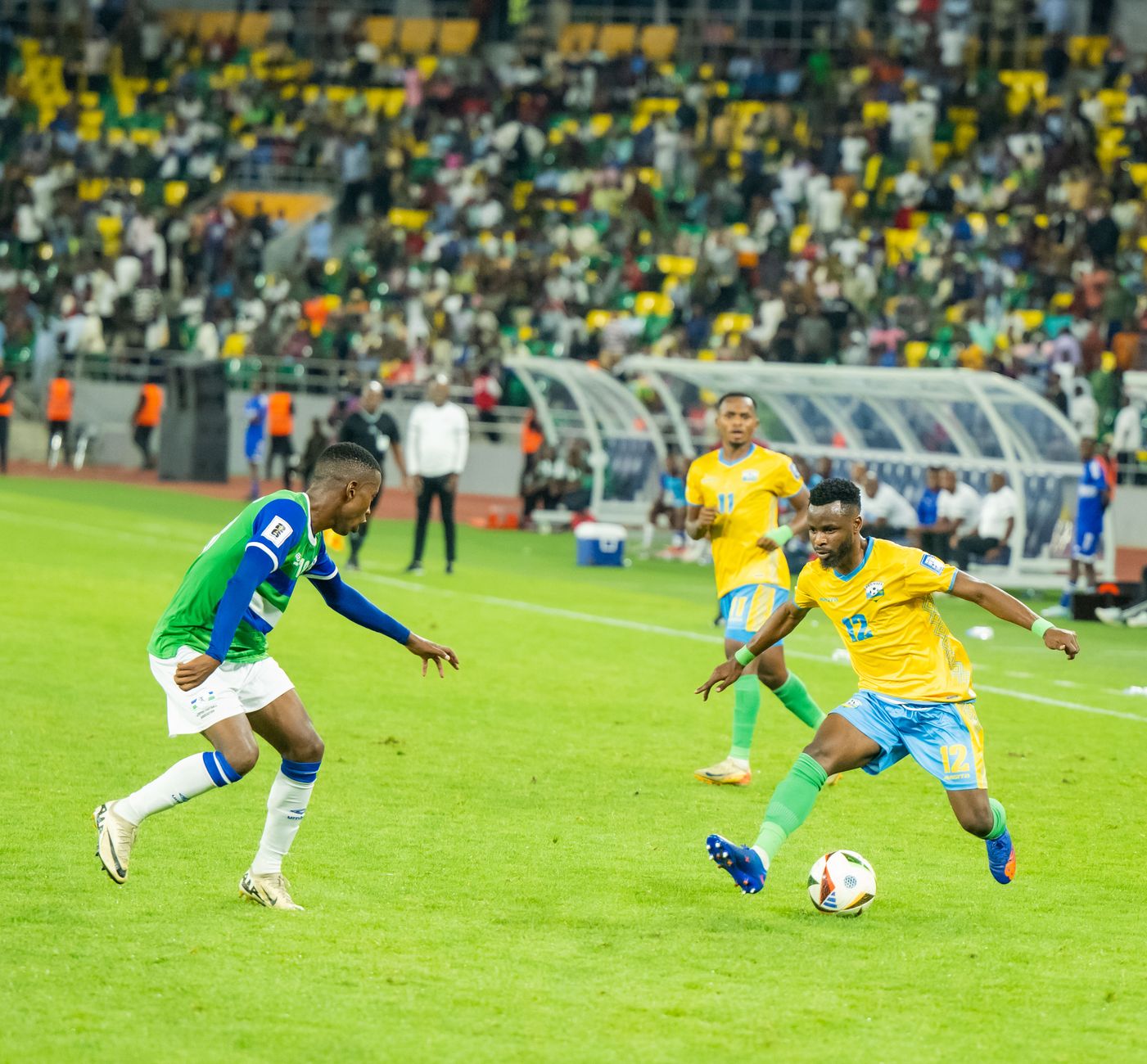
Photo by Faustin NKURUNZIZA on Pexels
The Bottom Line
Cabo Verde is no longer just a feel-good underdog story; it is a tactically organized CAF side with repeat evidence of tournament competitiveness. According to the Cape Verde national football team profile on Wikipedia, the team has built its modern reputation through Africa Cup of Nations appearances, while ESPN’s Cape Verde page tracks fixtures, results, and match data for global audiences. The key analytical point is that Cabo Verde’s ceiling comes from collective balance rather than one superstar, which makes its performance less volatile than many casual fans assume.
For bettors and football analysts, that creates a trade-off. Cabo Verde may not dominate possession against larger nations such as Senegal, Morocco, Nigeria, or Argentina, but it often keeps games narrow when the tactical plan is intact. That matters for Asian handicap markets, under-goal totals, first-half results, and set-piece props. Goal Moments recommends treating Cabo Verde as a context-sensitive team: strong when compact, dangerous when transitions are available, but less comfortable when forced to chase a match from behind. [Internal Link: 2026 World Cup team tactics guide]
What Players Actually See
Players facing Cabo Verde usually see a compact mid-block, patient defensive spacing, and direct attacking lanes once the ball is recovered. The Blue Sharks often use width to relieve pressure, then look for early service into forwards or late-arriving midfielders. This is not a possession-heavy identity in the Spain or Portugal model; it is closer to tournament football, where territory, rest defense, and mistake reduction can matter more than passing volume.
The most important on-pitch details are easy to miss on a broadcast. First, Cabo Verde’s full-backs are often asked to make conservative decisions, because losing both wide channels at once would expose the center-backs. Second, the midfield line tends to protect central access before pressing aggressively, which helps reduce high-quality shots even when the opponent has more of the ball. Third, the attacking pattern often depends on timing rather than volume: one clean switch of play, one second ball, or one set-piece can change the expected value of a match. This is why a 0-0 draw, a 1-0 win, or a narrow defeat can all be consistent with the same tactical profile.
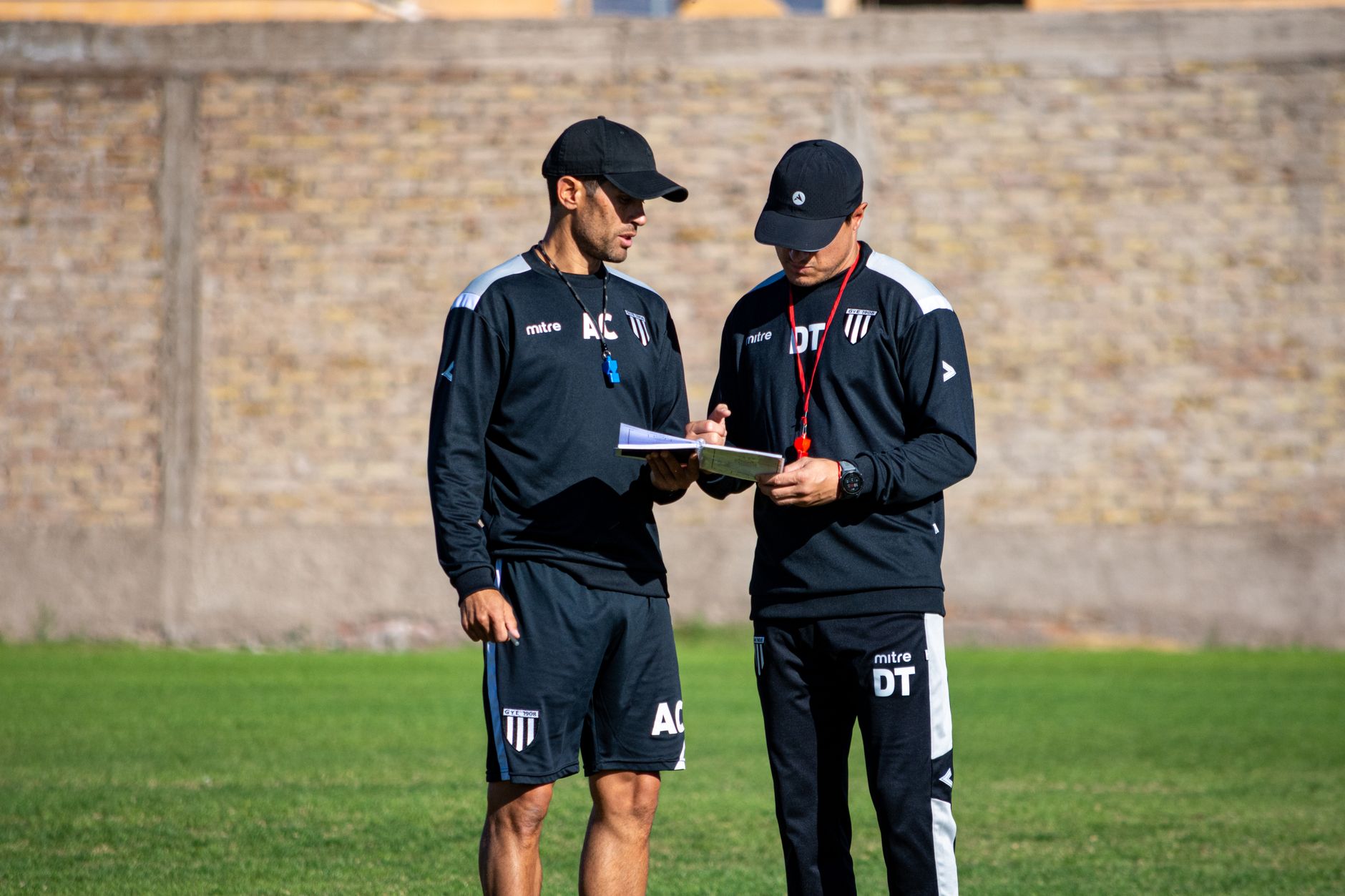
Photo by Franco Monsalvo on Pexels
See the details behind national-team form before reading odds or predictions.
What Are the 3 Things That Matter Most?
The three most important factors for the Cabo Verde national football team are squad availability, defensive spacing, and set-piece output. These variables explain more of its match-to-match performance than reputation, FIFA ranking chatter, or the size of the opponent. For 2026 analysis, start there before considering odds.
Squad availability is unusually important because Cabo Verde relies on diaspora depth. Many key players are based in European leagues, so travel windows, club minutes, and late fitness decisions can affect chemistry more than headline previews suggest. A common edge case is the short international window: if a European-based player arrives after a congested club schedule, Cabo Verde may keep its defensive shape but lose attacking sharpness in the first 30 minutes.
Defensive spacing is the foundation. Cabo Verde generally benefits when the match remains level because its structure can frustrate stronger teams and reduce open-field chaos. However, if it concedes early, the same cautious spacing can become a limitation, forcing the Blue Sharks to take risks they are not built to repeat for 90 minutes.
Set pieces are the swing factor. Against nations with deeper squads, Cabo Verde’s best scoring chances may come from corners, wide free kicks, and second balls. In betting terms, this makes corner counts, cards, and late-goal markets more relevant than simple win-draw-win pricing. [Internal Link: set-piece betting analysis for football]
What Edge Cases & Gotchas Should You Watch?
The main gotcha is assuming Cabo Verde plays like a typical small nation. It does not rely only on emergency defending or long clearances; it has enough technical quality to build selectively, especially through European-trained midfielders and wide players. The danger is overrating that quality when the team faces elite pressing.
There are several practical edge cases to track. First, neutral-site matches can reduce Cabo Verde’s disadvantage because opponents lose home crowd pressure and familiar climate conditions. Second, travel to or from West Africa can produce uneven tempo, particularly in the opening half-hour. Third, market prices sometimes lag behind tournament evidence: after AFCON 2013 and AFCON 2023, casual bettors still tended to treat Cabo Verde as a novelty rather than a structured CAF competitor. Fourth, the country’s small player pool means one suspension at center-back or defensive midfield can have a larger tactical effect than it would for Brazil, France, or England.
A useful operational tip for 2026 match previews is to check confirmed lineups before placing any position-specific bet. If Cabo Verde starts with a more conservative midfield, under-goal and draw-related angles become more logical. If the lineup includes faster wide outlets, transition and corner markets become more interesting. The Confederation of African Football remains the key competition authority for AFCON and African qualifiers, and FIFA describes its global role as “to govern football and to develop the game around the world” on FIFA.com.

Photo by Rümeysa Ersoy on Pexels
For sharper tournament reading, compare team structure with confirmed lineups and market movement.
How Should Fans Analyze Cabo Verde in 2026?
Fans should analyze Cabo Verde by asking whether the match script supports compact defending and fast transitions. If the Blue Sharks can keep the score level into the second half, their tactical value rises. If they must dominate possession, the risk profile changes.
A simple step-by-step method works well. First, identify the opponent’s pressing level: teams such as Morocco or Senegal can punish slow build-up, while less aggressive opponents may allow Cabo Verde to progress through midfield. Second, review recent squad minutes at club level, especially for European-based players returning from Portugal, France, the Netherlands, and England. Third, compare Cabo Verde’s set-piece threat with the opponent’s aerial defending. Fourth, decide whether the most likely match state is level, chasing, or protecting a lead.
This approach is more useful than relying on broad labels such as “underdog” or “dark horse.” Goal Moments often separates team analysis into three layers: tactical identity, player availability, and betting-market behavior. For Cabo Verde, all three layers interact strongly because the team’s best version is organized, patient, and opportunistic. [Internal Link: football betting market guide for beginners]
Verdict
Cabo Verde deserves serious analytical attention in 2026 because its results are supported by repeatable football principles. The Blue Sharks are not built to overwhelm elite opponents, but they are capable of narrowing margins through structure, discipline, and selective attacking. Their AFCON quarter-final runs in 2013 and 2023 show that the pattern has persisted across different squads rather than appearing as a single lucky cycle.
The trade-off is clear. Cabo Verde offers value when markets underestimate its organization, but risk increases when injuries, suspensions, or early concessions force the team away from its preferred plan. For fans, analysts, and responsible bettors, the best approach is not emotional overconfidence; it is structured evaluation. Watch lineups, measure match state, and respect the tactical details that make small nations competitive. Goal Moments will continue tracking Cabo Verde, CAF qualifiers, and 2026 World Cup storylines with the same evidence-first lens.
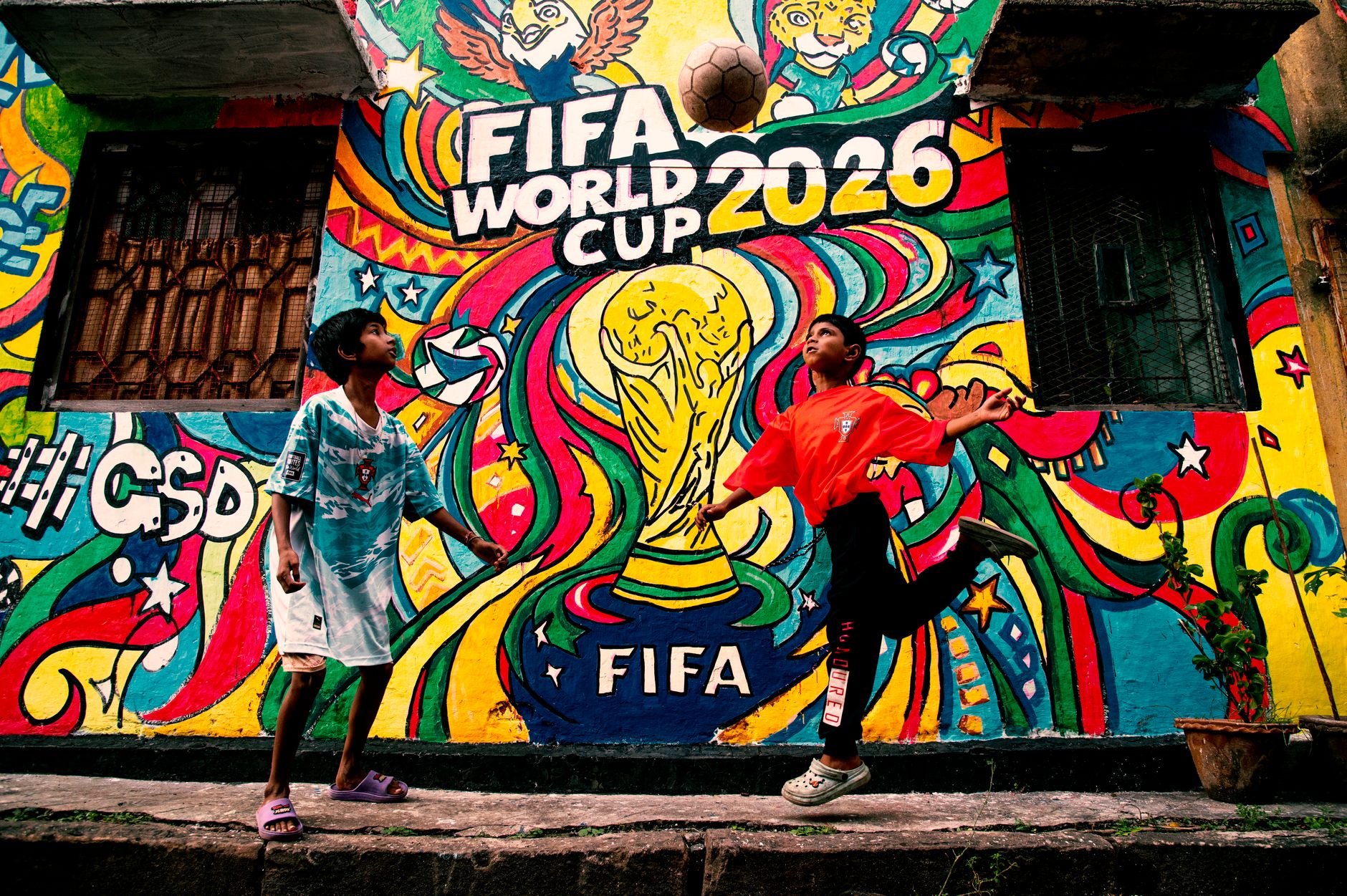
Photo by Anirban Das on Pexels
Ready to follow Cabo Verde and other 2026 World Cup teams with clearer context?
Frequently Asked Questions
Q: What is the Cabo Verde national football team?
A: The Cabo Verde national football team is the men’s national side representing Cabo Verde in international football. It is governed by the Federação Cabo-verdiana de Futebol and competes under CAF and FIFA structures. The team is commonly called the Blue Sharks and is known for disciplined tournament performances.
Q: How did Cabo Verde become competitive in African football?
A: Cabo Verde became competitive by combining local development with a strong European diaspora player base. Many players have football education in Portugal, France, the Netherlands, and England, which raises the squad’s technical floor. Its AFCON quarter-final runs in 2013 and 2023 confirmed that the progress was measurable.
Q: Is Cabo Verde a good team to follow for 2026 World Cup analysis?
A: Yes, Cabo Verde is worth following because its tactical profile can create close, analytical matches. The team often performs best when compact, level on the scoreboard, and able to counterattack. For 2026, fans should monitor squad availability, travel conditions, and set-piece strength.
Q: What is the difference between Cabo Verde and Cape Verde?
A: Cabo Verde is the country’s official Portuguese name, while Cape Verde is the older English form still used in many sports databases. Both names refer to the same national team. FIFA, CAF, ESPN, and media outlets may vary in usage depending on style guide and data source.
Q: What should I do if Cabo Verde’s lineup looks weaker than expected?
A: If Cabo Verde’s lineup is missing key defenders or midfielders, reduce confidence in low-scoring or handicap angles. The team’s system depends heavily on spacing and role discipline, so one absence can shift the risk profile. Always check confirmed lineups before making predictions.
Q: Is it free to follow Cabo Verde stats and fixtures?
A: Yes, basic Cabo Verde fixtures, scores, and squad information are usually free on public football sites. Sources such as ESPN, FIFA, CAF, and Wikipedia provide accessible match and team data. For deeper analysis, Goal Moments adds tactical interpretation and 2026 World Cup context.
Thank you for reading this dispatch.
Goal Moments · The Digital Broadsheet · Issue No. 001