2026 World Cup Football vs Club Football: Fan Impact
Goal Moments covers 2026 World Cup football as a tournament-wide intelligence hub for fans tracking matches, tactics, player data, and betting-relevant trends across North America. The 2026 FIFA World...
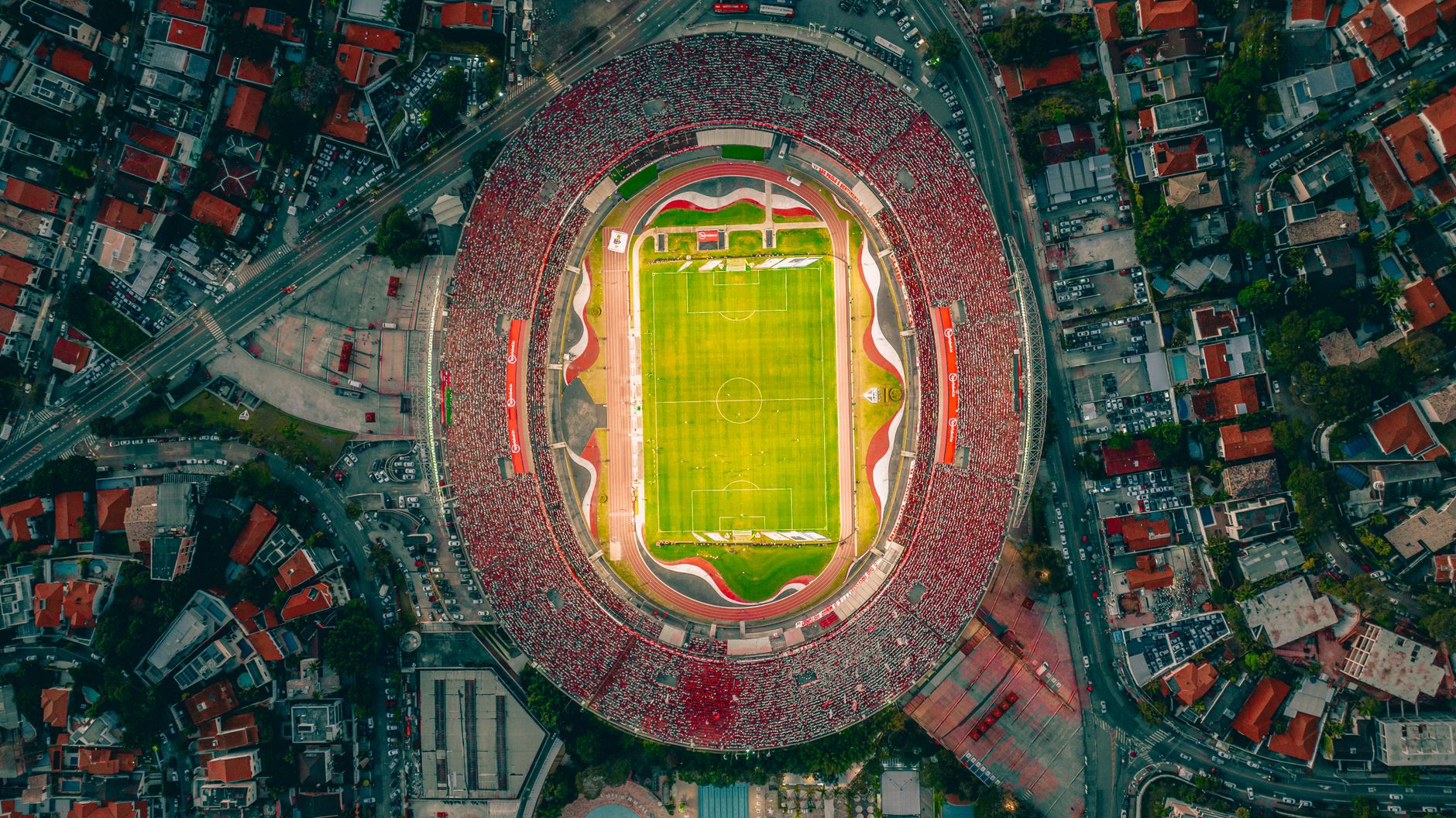
2026 World Cup Football vs Club Football: Fan Impact
Goal Moments covers 2026 World Cup football as a tournament-wide intelligence hub for fans tracking matches, tactics, player data, and betting-relevant trends across North America. The 2026 FIFA World Cup is scheduled across the United States, Canada, and Mexico, with Kansas City serving as one of the U.S. host cities and showcasing six matches, hundreds of thousands of visitors, and a major FIFA Fan Festival experience. Unlike club football, the World Cup compresses national-team form, travel, venue atmosphere, squad rotation, and knockout pressure into a short, high-variance window. Kansas City’s example matters because it shows how one region can turn stadium days, public viewing areas, food culture, and civic planning into measurable fan engagement. For readers following odds, match predictions, or player performance, the practical takeaway is simple: evaluate teams together with venue context, travel load, and crowd energy before making any 2026 World Cup football judgment.
Photo by Sérgio Souza on Pexels
If you want sharper tournament context before the next match window, start here.
Before 2025: how 2026 World Cup football worked
Before 2025, most fans understood 2026 World Cup football mainly through the traditional lens: qualifying campaigns, national squads, FIFA rankings, and host-city announcements. The broader picture was harder to read because many public conversations focused on stadium names and draw speculation rather than how cities such as Kansas City, Toronto, Mexico City, Los Angeles, and Miami would shape the tournament experience. FIFA’s official overview confirms the 2026 edition as a three-country tournament, a format that immediately changes travel, logistics, fan behavior, and media attention compared with single-nation editions such as Qatar 2022 or Russia 2018, according to FIFA.
The important lesson is that World Cup analysis cannot stop at team strength. A club football match usually involves familiar routines, shorter travel rhythms, and more predictable supporter patterns. A World Cup match in Kansas City or Mexico City adds variables: neutral fans, national diaspora communities, climate, pitch adjustment, police routing, fan festival traffic, and sponsor-driven event schedules. That is why Goal Moments treats 2026 World Cup football as a layered event, not just 90 minutes on the pitch. To go deeper into tactical preparation, see our [Internal Link: 2026 World Cup team tactics guide].
The 2026 shift
The 2026 shift is the move from a football tournament hosted by one nation to a continent-scale event shaped by the United States, Canada, and Mexico. That shift changes match preparation, fan travel, public screening culture, commercial attention, and betting analysis because teams and supporters must adapt across multiple regions.
Kansas City is a useful case study because its local organizing story highlights what many generic previews miss. The city’s World Cup platform emphasized six matches, FIFA Fan Festival Kansas City, stadium galleries, and “Stories From the Heartland,” presenting the event as a regional identity project rather than only a fixture list. That matters because fan energy often changes match texture: a stadium filled with traveling supporters, local neutrals, and national colors can influence tempo, referee pressure, and emotional momentum. This is not mystical; it is practical. Teams that settle quickly into a venue often manage the first 15 minutes better, while teams facing hostile or chaotic environments may take longer to control possession.

Photo by Andre Dantas on Pexels
There is also a commercial and information edge here. Many previews will rank squads by star power, but fewer will track how fan festival scheduling, local transport patterns, and recovery windows affect betting markets. A practitioner-level tip for 2026 World Cup football followers is to check whether a team’s previous match was in a different climate zone and whether its next training base requires cross-border travel. Those details can matter more than a headline injury rumor. For official historical context, Wikipedia’s FIFA World Cup entry summarizes how tournament formats have evolved since 1930.
For more venue-aware match previews and tournament updates, continue with Goal Moments.
What changed for players
Players face a more demanding 2026 World Cup football environment because the tournament combines expanded geography, national pressure, intense media coverage, and fast tactical adaptation. A player’s performance will depend not only on technical quality but also on recovery, travel management, heat response, and role clarity within the national team.
Here is the step-by-step way to evaluate players in 2026, especially if you follow Goal Moments for match predictions, player stats, or responsible betting research:
- Start with role, not reputation. A club superstar may become a pressing forward, wide decoy, or late-game substitute for his national team.
- Check the venue path. A player moving from a cooler Canadian venue to a warmer U.S. venue may need a different workload projection.
- Compare national-team minutes with club minutes. Fatigue risk rises when a player enters the World Cup after a heavy domestic season.
- Watch set-piece responsibility. Penalties, corners, and free kicks can change expected goal involvement quickly.
- Separate form from matchup. A strong winger can still struggle against a compact back five.
One under-discussed edge is emotional load. Kansas City’s host-city messaging emphasized pride, regional welcome, and large-scale public celebration. For players, that kind of setting can be energizing but also distracting, especially for young debutants. Another overlooked detail is that national teams often compress tactical teaching into short camps, so players in familiar systems may outperform more talented players placed into awkward roles. To understand squad depth more clearly, use our [Internal Link: player form and injury tracker].
What this means now
This means fans should analyze 2026 World Cup football through four connected layers: team quality, venue context, schedule pressure, and crowd environment. Kansas City’s example shows that a host city can influence the tournament through match-day atmosphere, fan festivals, food culture, and regional storytelling beyond the stadium itself.
For supporters, the practical approach is to build a match checklist before reacting to odds or predictions. First, identify the venue and travel path. Second, compare rest days and likely rotation. Third, measure tactical fit: does the underdog defend deep, press high, or attack transitions? Fourth, look at the crowd composition. A nominally neutral match can become emotionally one-sided when a national fan base travels well or when local communities adopt a team. Goal Moments uses this type of layered reading because football outcomes are rarely explained by one statistic alone.

Photo by Lukas Blazek on Pexels
For betting-minded readers, the responsible angle is essential. The gambling industry around the 2026 FIFA World Cup will be busy, but volume does not equal value. A contrarian conclusion: pre-match markets may be less efficient in emotionally hyped host-city games than in quiet group-stage fixtures, because public money often follows star names and national narratives. According to the American Gaming Association, legal sports betting expansion in the United States has increased the need for consumer education and responsible play. Use data, set limits, and avoid chasing live swings after red cards or controversial VAR decisions.
See how Goal Moments turns tournament context into clearer match reading.
Three predictions for next quarter
Three predictions for next quarter are clear: host-city content will become more tactical, player workload data will gain betting relevance, and fan festival coverage will influence travel decisions. These trends matter because 2026 World Cup football is no longer just a sports schedule; it is a continent-wide planning and analysis challenge.
First, expect Kansas City, Dallas, Atlanta, New York New Jersey, Vancouver, and Mexico City content to become more specific. Generic “city guide” articles will lose value, while transport timing, stadium access, local viewing zones, and weather notes will become more useful. Second, player workload models will become more visible. Fans will ask not only who starts, but who can repeat high-intensity efforts after travel and short recovery. Third, fan festival information will shape supporter movement. Kansas City’s FIFA Fan Festival example shows how public viewing areas can become a major part of the World Cup journey, particularly for fans without match tickets.
To apply this now, use a simple weekly routine:
- Track official FIFA and host-city updates every Monday.
- Review injury and minutes data after weekend club matches.
- Compare fixture geography before reading odds.
- Save tactical notes from Goal Moments before kickoff.
- Reassess assumptions after each group-stage round.
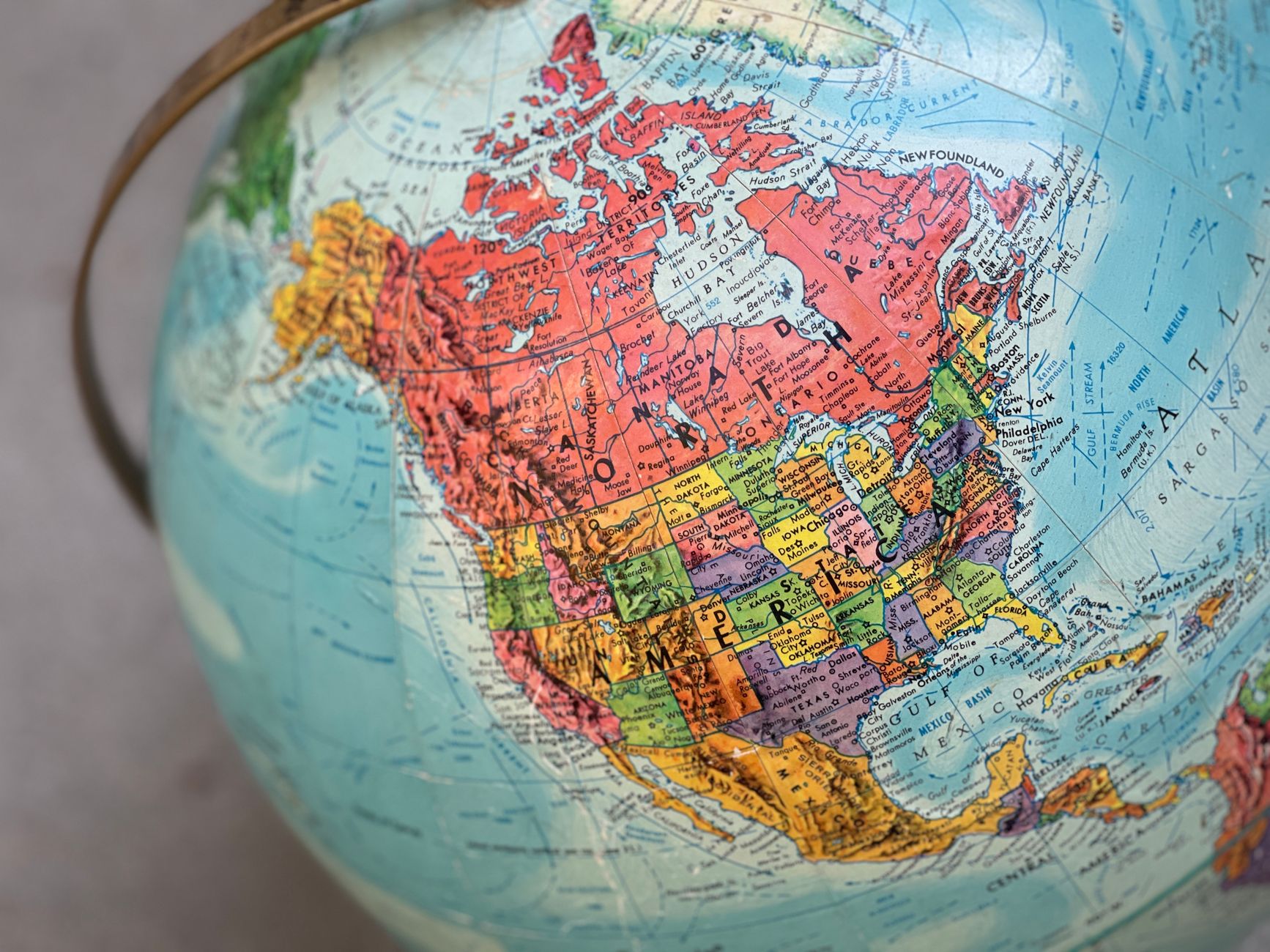
Photo by Keverne Denahan on Pexels
The final point is mentoring advice: do not let the scale of the 2026 FIFA World Cup make your analysis vague. The best readers will zoom in. They will ask which team benefits from the venue, which player role changed, which crowd narrative matters, and which market has overreacted. Kansas City’s story proves that host cities are not background scenery; they are active parts of the tournament. For broader preparation, explore our [Internal Link: World Cup betting strategy and responsible play guide] and [Internal Link: 2026 match prediction hub].
Ready to follow the 2026 World Cup with clearer tactics, stats, and match-day context?
Frequently Asked Questions
Q: What is 2026 World Cup football?
A: 2026 World Cup football refers to the FIFA World Cup hosted by the United States, Canada, and Mexico. It is the largest men’s national-team football tournament and includes host cities such as Kansas City, Toronto, Mexico City, and Los Angeles. Fans should follow teams, venues, travel, and tactical changes together.
Q: How to follow 2026 World Cup football more intelligently?
A: Start by tracking fixtures, host cities, team news, and player workload before reading predictions. Then compare tactical matchups, rest days, and travel demands because those factors can affect performance. Goal Moments helps by combining match predictions, team tactics, player stats, and tournament coverage in one place.
Q: What is the difference between World Cup football and club football?
A: World Cup football is shorter, more emotional, and more dependent on national-team chemistry than club football. Club teams train together all season, while national teams often build systems quickly before major tournaments. That makes role clarity, set pieces, and tournament momentum especially important in 2026.
Q: Why do host cities like Kansas City matter?
A: Host cities matter because venue atmosphere, transport, fan festivals, and local culture shape the match-day environment. Kansas City’s 2026 role included six matches and major fan celebration spaces, making it more than a stadium location. For analysts, host-city context can reveal hidden pressure or energy advantages.
Q: Is 2026 World Cup betting worth following?
A: 2026 World Cup betting can be worth following only if you use disciplined research and responsible limits. Markets may overreact to star players, national narratives, or viral moments, so data-based analysis is safer than emotion. Always check local laws and never bet money you cannot afford to lose.
Q: What should I do if my match prediction fails?
A: Treat a failed prediction as feedback, not a reason to chase losses. Review whether you misread team selection, venue conditions, tactical setup, or in-game events such as red cards. The best approach is to record assumptions before kickoff and adjust your model gradually.
Q: Is watching FIFA Fan Festival coverage useful?
A: Yes, FIFA Fan Festival coverage is useful because it shows crowd mood, supporter movement, and host-city engagement. In places like Kansas City, fan festivals can reveal which nations have strong traveling support or local backing. That context helps fans understand atmosphere before match day.
Thank you for reading this dispatch.
Goal Moments · The Digital Broadsheet · Issue No. 001